AI is Reshaping Our World: But Whose Ethics Are Guiding It? The Silent Battle for Our Future
Published on February 18, 2026
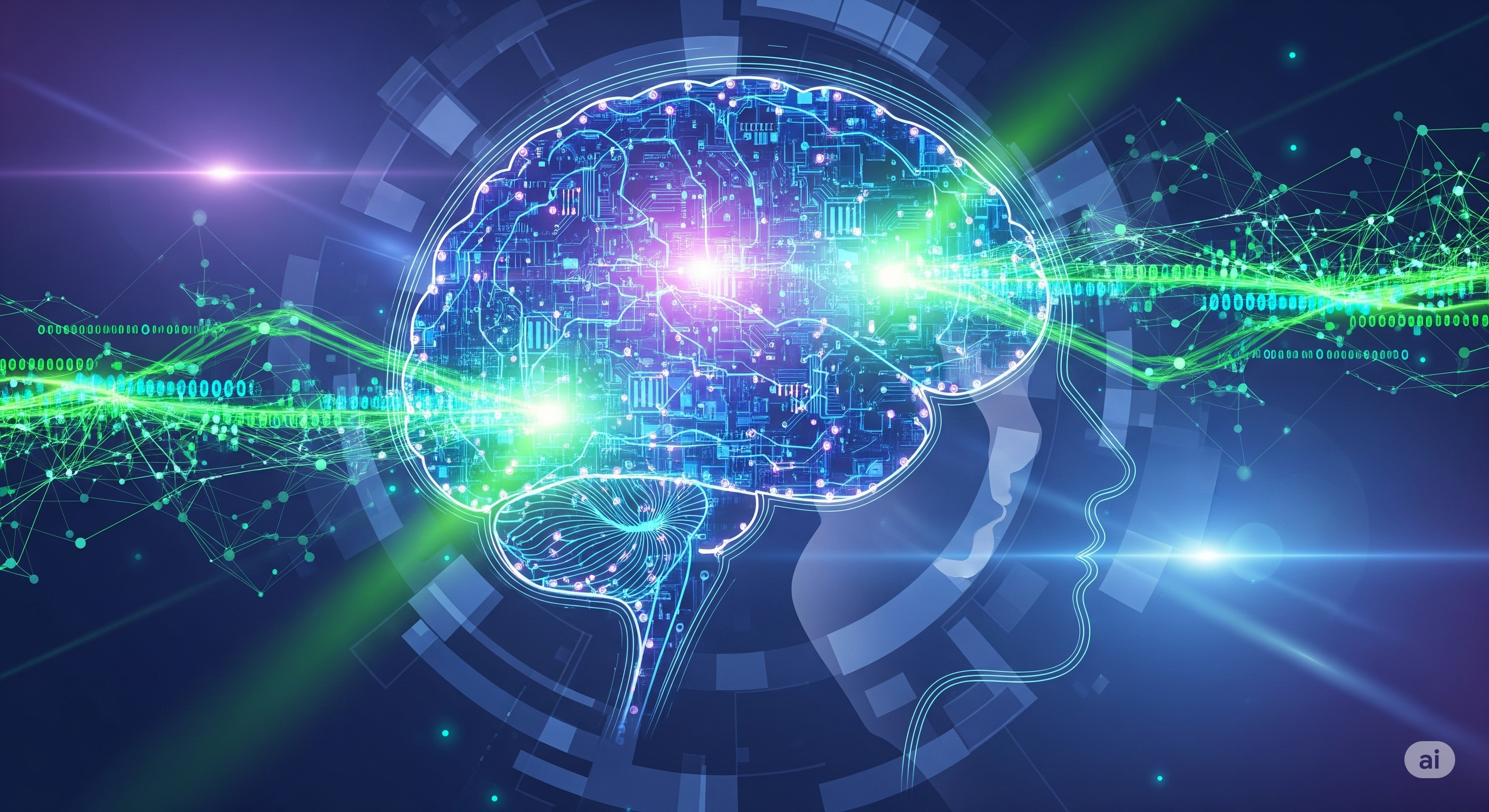
In an era where Artificial Intelligence seems to be advancing at warp speed, touching every facet of our lives from how we shop and connect to how critical decisions are made, a crucial question looms large: whose ethics are we embedding into these powerful systems? Recent headlines have been awash with stories showcasing both the breathtaking potential and the unsettling perils of AI – from algorithms outperforming doctors in diagnostics to the alarming rise of hyper-realistic deepfakes threatening the very fabric of truth. We stand at a pivotal crossroads, where the relentless march of technological progress is colliding head-on with fundamental human values. This isn't just about code and circuits; it's about the future of humanity itself, and a silent battle for the soul of our digital world is already underway.
The conversations around AI ethics are no longer confined to academic forums or sci-fi novels. They are breaking into boardrooms, parliamentary debates, and even our living rooms. The choices we make today, or fail to make, about how AI is designed, deployed, and governed will profoundly shape the world our children inherit. Are we building tools that amplify human flourishing, or inadvertently creating a complex, biased, and potentially uncontrollable digital Frankenstein?
The Promise and Peril of AI: A Double-Edged Sword
Undeniably, the transformative power of AI is immense and largely beneficial. It’s revolutionizing healthcare with personalized treatments, accelerating scientific discovery, making transportation safer, and connecting the world in unprecedented ways. From optimizing energy grids to predicting natural disasters, AI holds the key to solving some of humanity's most pressing challenges. It promises greater efficiency, unprecedented insights, and a future where mundane tasks are automated, freeing human potential for creativity and innovation.
However, alongside this bright promise lies a shadow of ethical concerns that cannot be ignored. The sheer scale and speed of AI's development mean that its ethical implications often emerge as afterthoughts, creating reactive rather than proactive solutions. This lag between innovation and ethical foresight has already led to significant challenges, forcing us to confront uncomfortable questions about fairness, privacy, accountability, and ultimately, control.
The Silent Architects: Who's Setting the Rules?
One of the core dilemmas of AI ethics is the absence of a universally agreed-upon ethical framework. Unlike other regulated industries, AI development often proceeds without clear, binding global standards. This vacuum leaves the heavy lifting of ethical decision-making to a diverse group of stakeholders: large tech corporations, governments with varying agendas, academic researchers, and individual developers. The outcomes are predictably fragmented and sometimes contradictory.
* Bias in Algorithms: The Echo Chamber Effect
AI systems learn from the data they are fed. If that data reflects existing societal biases – historical inequalities in hiring, credit, or criminal justice – the AI will not only learn these biases but often amplify them, perpetuating and even deepening discrimination. We've seen instances where facial recognition software struggles with diverse skin tones, hiring algorithms favor male candidates, and loan approval systems inadvertently discriminate against certain demographics. The core problem here is not the AI itself, but the human biases embedded, often unconsciously, in the data and design.
* Privacy vs. Progress: The Data Dilemma
AI thrives on data. The more data it consumes, the "smarter" it becomes. But this insatiable appetite for information often clashes with individual privacy rights. Companies collect vast quantities of personal data, which is then used to train powerful AI models, sometimes without explicit consent or clear understanding of its eventual use. The line between personalized service and intrusive surveillance becomes increasingly blurred, raising questions about data ownership, consent, and the potential for misuse by malicious actors or authoritarian regimes.
* Accountability Gap: Who's Responsible When AI Fails?
When an autonomous vehicle causes an accident, when an AI-powered medical diagnosis goes wrong, or when an algorithmic system makes a flawed decision that impacts someone's life, who is ultimately responsible? Is it the developer, the deployer, the user, or the AI itself? The complex, often opaque nature of AI decision-making (the "black box problem") makes tracing responsibility incredibly challenging. This accountability gap is a critical hurdle in building public trust and ensuring justice.
The Real-World Impact: From Elections to Employment
The ethical dilemmas of AI are not abstract philosophical debates; they are manifesting in concrete, impactful ways right now:
* Elections and Misinformation: The proliferation of sophisticated deepfake technology, capable of generating hyper-realistic videos and audio of individuals saying or doing things they never did, poses an existential threat to democracy. Imagine an election swayed by AI-generated propaganda indistinguishable from reality.
* Employment and Automation: While AI promises to create new jobs, it also raises concerns about widespread job displacement, particularly in industries reliant on repetitive tasks. The ethical question then becomes: how do societies adapt, retrain, and support individuals through this massive economic transition?
* Autonomous Weapons Systems: The development of "killer robots" that can identify, select, and engage targets without human intervention represents one of the most chilling ethical frontiers of AI. The implications for global stability and the very definition of warfare are profound and terrifying.
Navigating the Minefield: A Call for Collective Action
The good news is that these challenges are not insurmountable. Addressing AI ethics requires a multi-pronged, collaborative approach involving governments, industry, academia, and civil society:
1. Robust Regulation and Governance: Governments worldwide, like those enacting the EU AI Act, must develop comprehensive, adaptable regulatory frameworks that prioritize safety, transparency, and accountability without stifling innovation. This includes mandates for algorithmic auditing, bias detection, and clear liability rules.
2. Ethical Design and Development: AI developers must embed ethical considerations from the very outset of design. This means promoting "ethics by design," investing in diverse teams, using diverse and representative datasets, and prioritizing transparency and explainability in their AI models.
3. Public Education and Literacy: Empowering citizens with a basic understanding of how AI works, its capabilities, and its limitations is crucial. Informed public discourse is essential for democratic oversight and for shaping policies that reflect societal values.
4. International Cooperation: Given AI's global nature, international collaboration on ethical guidelines and standards is paramount to prevent a "race to the bottom" and ensure a unified approach to shared challenges.
We are not merely building technology; we are building the future. The ethical considerations surrounding AI are not side issues or afterthoughts; they are central to whether that future is one of unprecedented human advancement or one fraught with inequality and unforeseen dangers. The silent battle for AI's ethical compass is ongoing, and every one of us has a role to play.
What do you think? Are we doing enough to ensure AI develops ethically? Share your thoughts, concerns, and ideas in the comments below, and let's keep this vital conversation going. Your voice matters in shaping our digital destiny!

Turn Your Images into PDF Instantly!
Convert photos, illustrations, or scanned documents into high-quality PDFs in seconds—fast, easy, and secure.
Convert Now