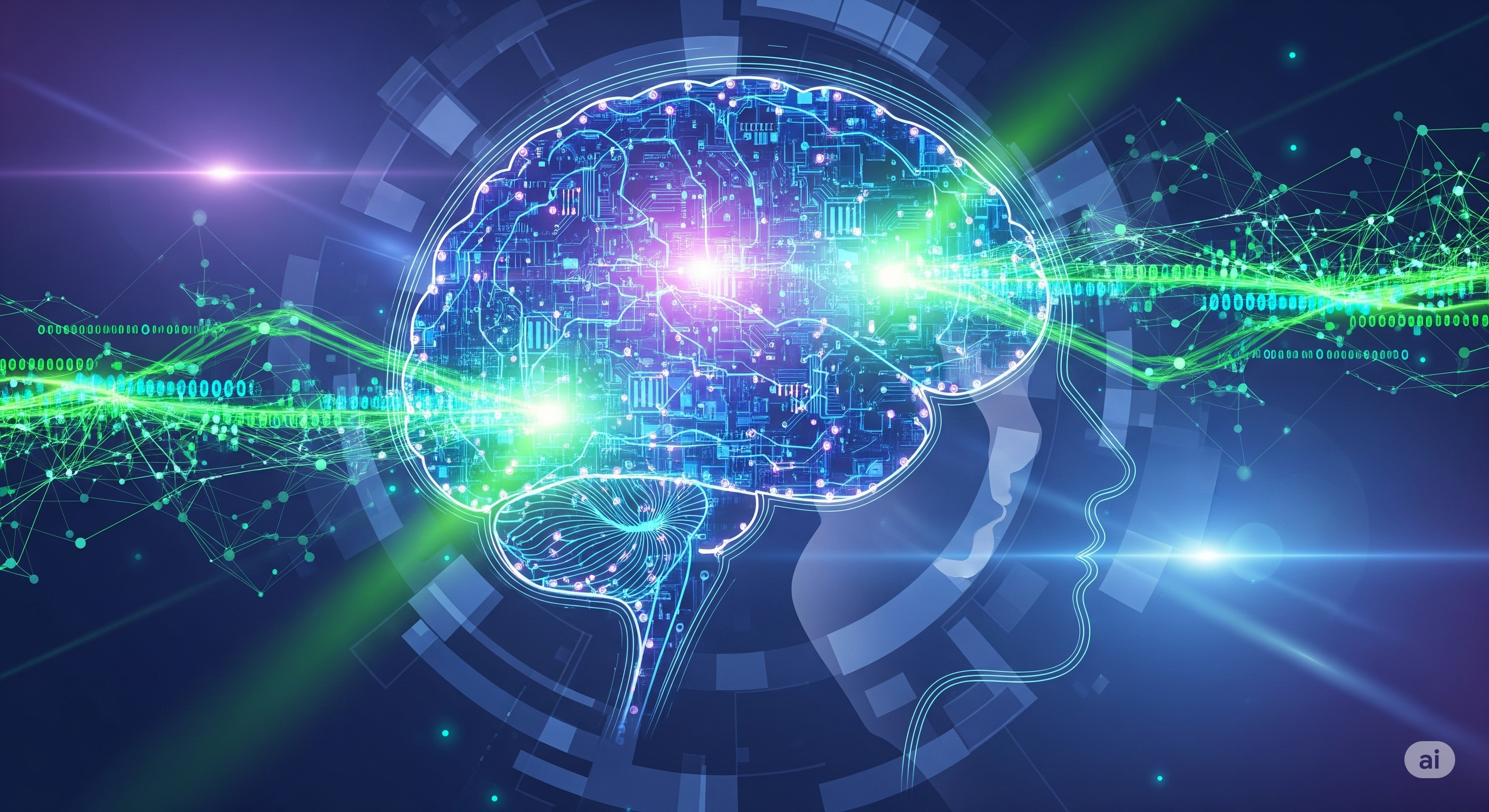
Beyond Text: The Dawn of Multimodal Deep Learning
For decades, the pursuit of Artificial General Intelligence (AGI) felt like a distant dream, partly because AI models were often siloed. A vision model could recognize objects, a language model could write poetry, and an audio model could transcribe speech. But what if they could all work together, seamlessly integrating information from diverse sources, just as humans do? This is the core of multimodal deep learning. Instead of treating text, images, audio, and video as separate streams, multimodal models learn to understand the intricate relationships *between* them. Imagine an AI that doesn't just describe a picture but also understands the emotion conveyed in the accompanying voiceover, or an AI that can generate a video from a text prompt while ensuring the sound design matches the visual narrative. This unification of senses is the secret sauce behind the latest astonishing AI capabilities, pushing us further into a realm where machines don't just process data, but truly comprehend context.
What's New? AI That Sees, Hears, and *Understands*
The recent advancements in this field are nothing short of breathtaking, moving AI from mere data processors to intuitive collaborators.
Natural Human-AI Interaction
One of the most immediate impacts of multimodal AI is the transformation of human-AI interaction. Gone are the days of clunky command-line interfaces or even purely text-based chatbots. Today, AI models can interpret a complex visual scene, listen to the nuances of your voice – detecting emotion, sarcasm, or urgency – and respond not just with words, but with an understanding that feels remarkably human. Think of an AI tutor that can watch you solve a math problem, hear your frustrated sigh, and then offer a visual explanation tailored to your specific point of confusion. Or a personal assistant that doesn't just understand your verbal request to 'find that document,' but also sees your gaze lingering on a specific file icon and prioritizes that information. This level of perceptive intelligence makes interacting with AI feel less like talking to a machine and more like conversing with an exceptionally insightful partner.
Generative AI's Multisensory Explosion
Multimodal deep learning is also fueling an unprecedented explosion in generative AI. We've marvelled at text-to-image generators creating stunning visuals from simple prompts. Now, imagine text-to-video models conjuring hyper-realistic, minute-long clips from a few descriptive sentences, complete with dynamic camera movements and coherent narratives (hello, Sora-like capabilities!). Beyond video, we're seeing AI generate immersive 3D environments, craft personalized music scores for films, and even design functional prototypes from sketches. This isn't just about creating content faster; it's about unlocking entirely new forms of creative expression and production, democratizing complex artistic and design processes for everyone.
AI as a Collaborative Partner
These new capabilities position AI not just as a tool, but as a genuine collaborative partner across diverse fields. In medicine, multimodal AI can analyze patient scans, lab results, and physician notes simultaneously to identify subtle patterns for diagnosis. For designers, AI can iterate on concepts from rough sketches, offering visual and textual feedback. Educators can leverage AI to create dynamic, interactive learning materials that adapt to individual student needs and learning styles. The potential for innovation across every industry is immense, as AI begins to bridge the sensory gaps that once limited its utility.
The Promise and Peril: What This Means for You
While the breakthroughs are exhilarating, they also usher in a complex new set of challenges and responsibilities.
Unlocking New Realities
The optimistic vision sees multimodal AI catalyzing unprecedented human flourishing. Imagine universal translators that not only translate words but also the cultural context and emotional tone across languages and visual cues. Picture intuitive robotic assistants capable of performing delicate tasks in challenging environments, understanding both verbal instructions and visual demonstrations. Consider personalized learning experiences that adapt to every child's unique pace and style, across all subjects. This technology promises to enhance accessibility, boost productivity, and spark innovation in ways we can barely conceive.
Navigating the Ethical Labyrinth
However, with great power comes great responsibility. The ability for AI to generate highly realistic synthetic media – deepfakes – poses significant threats to truth, trust, and security. Questions of authenticity and provenance will become paramount. Furthermore, the ethical implications concerning data privacy, algorithmic bias (amplified across multiple modalities), job displacement, and the ultimate control of increasingly autonomous systems demand urgent attention. As AI becomes more 'perceptive,' the line between human and machine becomes blurrier, raising profound philosophical questions about consciousness, identity, and the future of human uniqueness.
The Urgency of Responsible Development
The rapid pace of advancement necessitates a concerted global effort towards responsible AI development. This includes establishing robust regulatory frameworks, prioritizing transparency and explainability in AI models, and fostering interdisciplinary collaboration between technologists, ethicists, policymakers, and the public. We must collectively ensure that these powerful new tools are developed and deployed in a way that benefits all of humanity, not just a select few.
The Road Ahead: An Invitation to Shape Our Future
The journey into multimodal deep learning is not merely a technological evolution; it's a societal transformation. We are witnessing the birth of truly intuitive AI systems that promise to revolutionize everything from how we work and learn to how we create and communicate. The potential for positive impact is boundless, but so too are the challenges.
As AI gains senses, the world around us changes. This isn't science fiction anymore; it's the tangible reality unfolding before our eyes. The question is no longer *if* AI will fundamentally alter our lives, but *how* we will guide its development to ensure a future where technology empowers humanity rather than undermines it. What aspects of multimodal AI excite or concern you the most? Share your thoughts below, join the conversation, and let's collectively navigate this thrilling new chapter in human and artificial intelligence history. The future isn't just happening to us; we are building it, together.