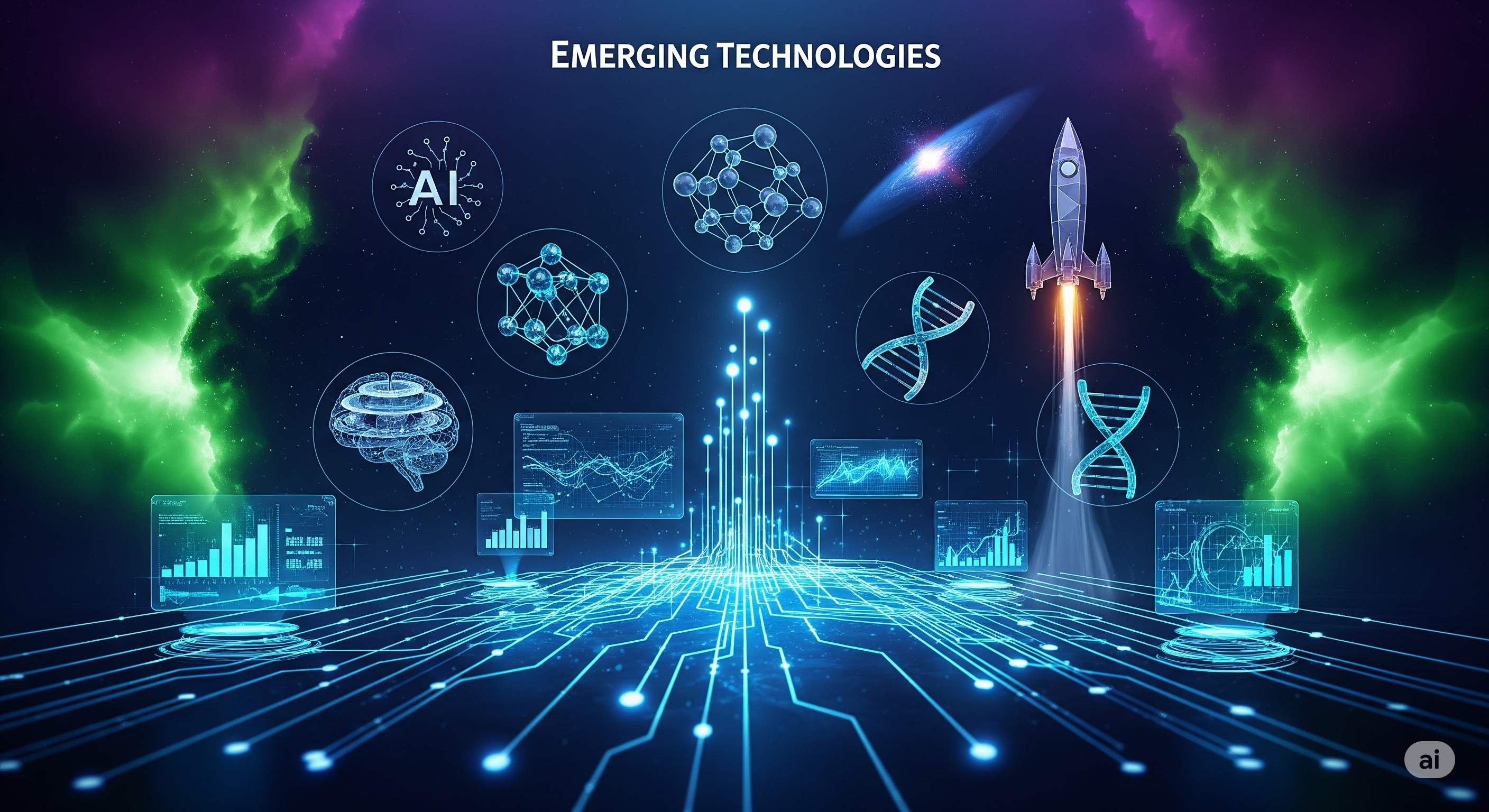
Big Data's AI Superpower: Navigating the Tsunami of Intelligent Insights
Remember a time when "Big Data" was a buzzword, signifying a vast, often unmanageable ocean of information? Companies collected petabytes, but often struggled to derive meaningful, real-time insights from it. Fast forward to today, and the conversation has shifted dramatically. Thanks to an accelerating AI revolution, Big Data isn't just big anymore; it's smart, proactive, and increasingly autonomous. We're not just swimming in data; we're now riding a tsunami of intelligent insights, powered by an artificial brain. This fundamental shift is reshaping industries, redefining decision-making, and posing fascinating new challenges and opportunities for everyone from consumers to corporate giants.
The Data Deluge: Bigger Than Ever Before
To truly appreciate AI's impact, we must first acknowledge the sheer scale of modern data generation. Every minute, the world generates unfathomable amounts of digital information. From the billions of transactions processed globally to the torrent of social media posts, the ever-expanding network of IoT devices streaming sensor data, and the exponential growth in scientific and medical research – the data deluge shows no signs of abating. Analysts predict that by 2025, the global datasphere will reach 181 zettabytes. This volume is so immense that human analysis alone is practically impossible. Before AI's widespread adoption, organizations often found themselves drowning in data, struggling to sort, process, and extract value efficiently. The raw potential was there, but the processing power and analytical sophistication to unlock it were often lacking.
Enter the Dragon: AI as Big Data's New Brain
The arrival and rapid advancement of Artificial Intelligence, particularly in areas like machine learning and generative AI, has given Big Data its ultimate upgrade. AI acts as Big Data's new brain, capable of sifting through massive datasets at speeds and scales unimaginable to humans, identifying patterns, anomalies, and correlations that would otherwise remain hidden.
Generative AI's Data Demands and Contributions
One of the most exciting and demanding aspects of this synergy is the role of generative AI. Models like large language models (LLMs) and advanced image generators are not just *consumers* of Big Data; they are profoundly reshaping how we interact with and understand it. These models are trained on mind-boggling quantities of data – text, code, images, audio – to learn complex patterns and generate new, coherent, and contextually relevant content. But beyond consumption, generative AI also contributes back. It can synthesize new data to augment existing datasets, helping overcome data scarcity or privacy concerns. It can translate complex data narratives into digestible summaries, query databases using natural language, and even help automate the data cleaning and preparation processes, making raw data more accessible and usable for further analysis.
Real-Time Intelligence: From Insights to Instant Action
AI's ability to process and analyze data in real-time has transformed static insights into dynamic action. Gone are the days of waiting for weekly or monthly reports to make crucial business decisions. Today, AI-powered Big Data systems enable:
* Hyper-Personalization: Instantaneously analyzing user behavior to deliver tailored product recommendations, content, and advertisements.
* Fraud Detection: Identifying suspicious financial transactions as they occur, preventing losses in real-time.
* Predictive Maintenance: Monitoring industrial machinery and predicting failures before they happen, minimizing downtime and costs.
* Dynamic Pricing: Adjusting prices in response to live market demand, inventory levels, and competitor actions.
This shift from reactive to proactive, even predictive, intelligence is a game-changer across virtually every sector, from healthcare to finance, retail, and manufacturing.
Navigating the New Frontier: Challenges and Ethical Crossroads
While the promise of Big Data powered by AI is immense, this new frontier is not without its significant challenges and ethical dilemmas. The very power that makes AI so transformative also demands careful consideration and responsible governance.
Data Quality: Garbage In, Generative Garbage Out
The adage "garbage in, garbage out" has never been more relevant. AI models, especially generative ones, are only as good as the data they are trained on. Biased, inaccurate, or incomplete data can lead to skewed insights, unfair decisions, and the dreaded "hallucinations" in generative AI outputs. Ensuring the quality, integrity, and representativeness of Big Data is paramount, requiring robust data governance frameworks and constant vigilance.
Privacy and Ethics: The Human Element
As AI consumes and processes ever-larger quantities of personal and sensitive data, concerns around privacy and ethics intensify. Regulations like GDPR and CCPA are just the beginning. The potential for AI systems to perpetuate or even amplify human biases, make discriminatory decisions, or be used for surveillance raises critical questions about fairness, transparency, and accountability. The development of explainable AI (XAI) and responsible AI principles is crucial to build trust and ensure these powerful technologies serve humanity's best interests, not undermine them. We must continuously ask: Who owns the data? How is it being used? And what safeguards are in place to protect individuals?
What's Next? The Future is Now
The convergence of Big Data and AI is not a future concept; it's happening right now, evolving at an unprecedented pace. We can expect even deeper integration, leading to:
* Autonomous Decision-Making: AI systems increasingly making complex decisions without human intervention in specific domains.
* Hyper-Personalization at Scale: Tailored experiences becoming the norm, from personalized education paths to highly specific medical treatments.
* Edge AI Expansion: More data processing happening at the source (IoT devices, smart sensors) to reduce latency and bandwidth needs.
* Democratization of Data Science: AI-powered tools making advanced data analysis accessible to a broader range of non-experts.
This era demands a new kind of literacy – data literacy and AI literacy – not just for specialists but for everyone.
Embrace the Intelligent Future
Big Data, supercharged by AI, is no longer just a collection of information; it’s an active, intelligent force shaping our world. It offers unparalleled opportunities for innovation, efficiency, and a deeper understanding of complex systems. However, this power comes with immense responsibility. As we navigate this exhilarating tsunami of intelligent insights, the focus must remain on ethical development, data quality, and ensuring these advancements benefit all of humanity.
What are your thoughts on Big Data's AI superpower? What do you believe is the most significant opportunity or challenge presented by this technological wave? Share your predictions and insights in the comments below!