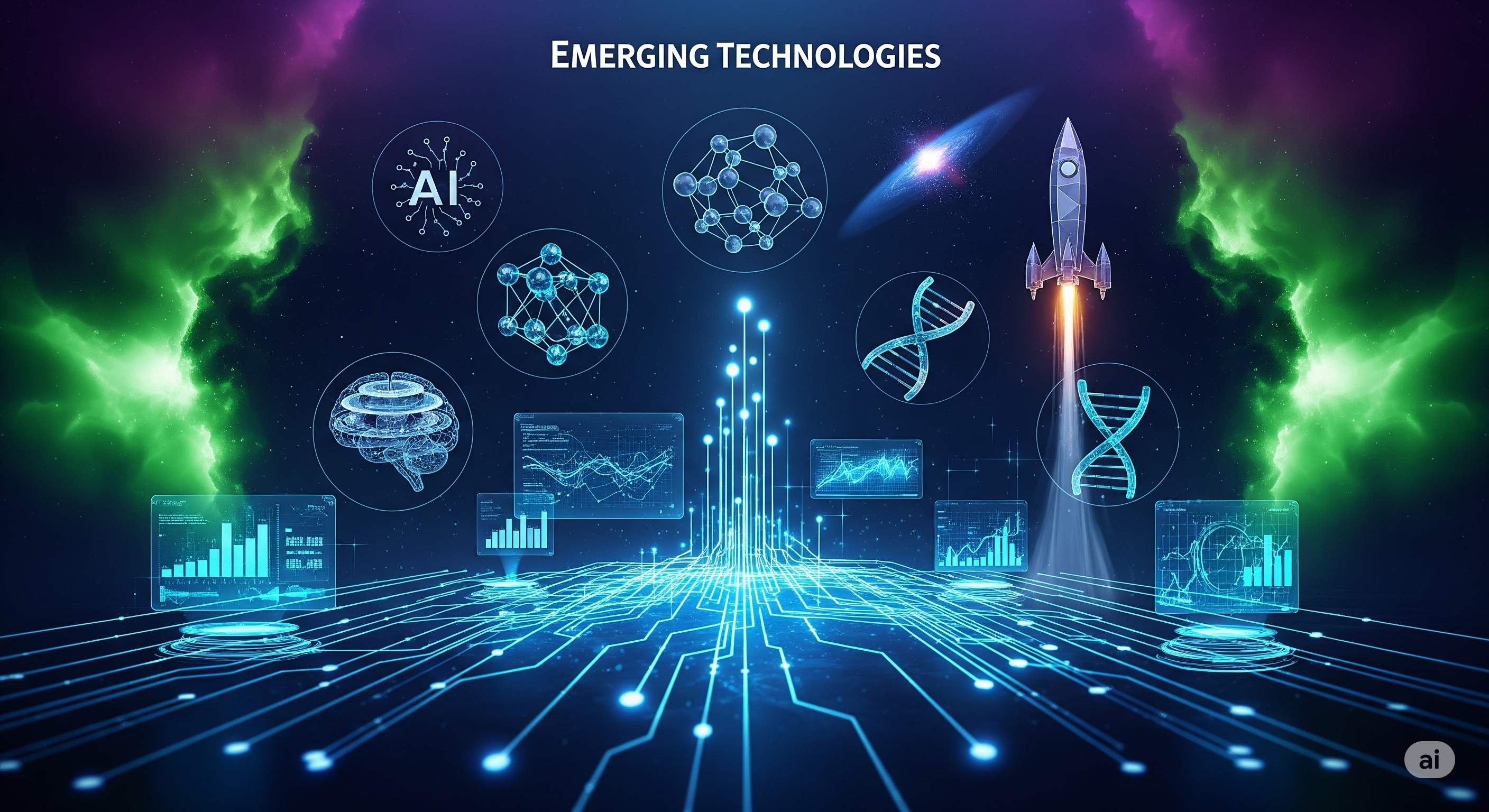
The AI Revolution: Making Sense of the Chaos
Artificial intelligence is no longer a futuristic fantasy; it's the engine driving Big Data's current explosion. Machine learning algorithms, particularly deep learning models, excel at sifting through massive datasets to identify patterns and correlations invisible to the human eye. This allows businesses to predict customer behavior with unprecedented accuracy, optimize supply chains with greater efficiency, and personalize experiences in ways never before imagined.
Consider the impact on healthcare. AI is analyzing medical images to detect diseases earlier and more accurately than human clinicians, accelerating drug discovery by identifying potential candidates faster, and personalizing treatment plans based on individual patient profiles. This isn't about replacing doctors; it's about empowering them with powerful tools to deliver better care.
Generative Models: Creating the Future, One Algorithm at a Time
Generative models are a subset of AI that are revolutionizing how we interact with data. These models don't just analyze existing data; they create new data, mimicking the patterns and styles they've learned. From generating realistic images and videos to composing music and writing text, generative models are blurring the lines between human creativity and artificial intelligence.
The implications for Big Data are profound. Generative models can be used to synthesize missing data, improve data quality by filling in gaps or correcting errors, and even create synthetic datasets for testing and training other AI models. This is particularly crucial in fields where real-world data is scarce or sensitive, like healthcare or finance.
Quantum Computing: The Next Frontier
While still in its nascent stages, quantum computing holds the potential to revolutionize Big Data analysis in ways we can only begin to imagine. Unlike classical computers that process information as bits (0 or 1), quantum computers use qubits, which can exist in multiple states simultaneously. This allows them to tackle problems that are intractable for even the most powerful supercomputers today.
Imagine analyzing the entire human genome in seconds, optimizing complex logistics networks in real-time, or developing new materials with unprecedented properties. Quantum computing promises to unlock the full potential of Big Data, allowing us to extract insights from datasets so vast and complex they are currently beyond our reach.
Ethical Considerations: Navigating the Uncharted Territory
The rapid advancement of Big Data technologies also raises crucial ethical considerations. Concerns around data privacy, algorithmic bias, and the potential for misuse are paramount. It's crucial to develop responsible AI guidelines and regulations that ensure these powerful technologies are used ethically and for the benefit of humanity. Transparency and accountability are essential to building trust and preventing unintended consequences.
The Future of Big Data: A Collaborative Effort
The future of Big Data is not a singular destination but a continuous evolution driven by collaboration across disciplines. Data scientists, engineers, ethicists, policymakers, and the wider public must work together to harness the transformative power of AI, generative models, and quantum computing while mitigating potential risks.
The journey has just begun. The volume and velocity of data will only continue to increase, demanding ever more sophisticated methods of analysis and interpretation. The advancements discussed here represent not an endpoint, but a launching pad for a future where Big Data empowers us to solve some of humanity's most pressing challenges.
What are your thoughts on the future of Big Data? Share your predictions and concerns in the comments below! Let's spark a conversation and explore the possibilities together. Don't forget to share this article with your network to spread the word about these exciting developments!