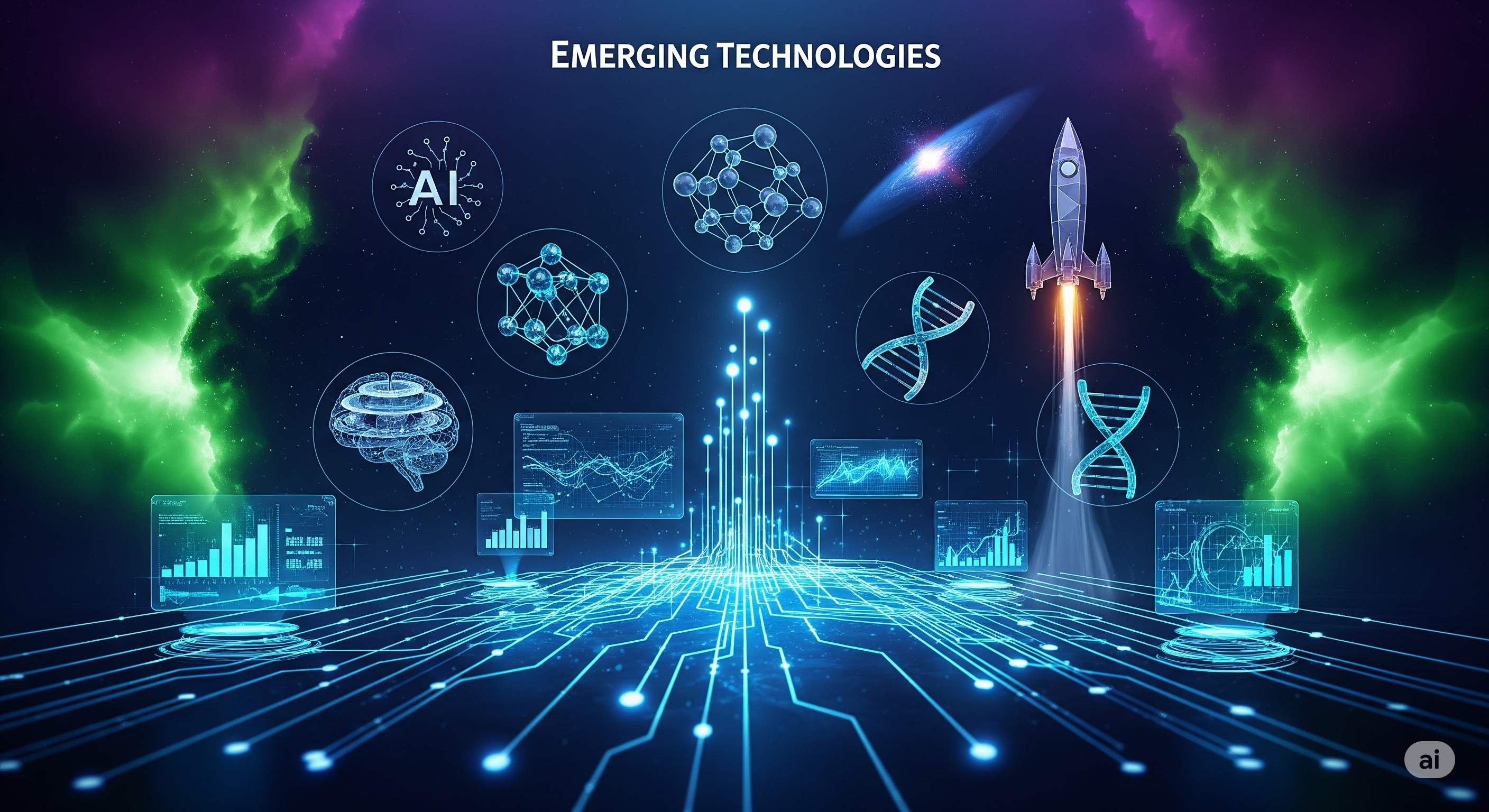
We stand at a critical juncture where the symbiotic relationship between Big Data and AI is not just optimizing existing processes but actively redefining industries, shaping consumer experiences, and pushing the boundaries of what's possible. But with this unprecedented power comes profound responsibility and a storm of ethical considerations.
The Unstoppable Duo: Big Data and Artificial Intelligence
At its core, Big Data refers to datasets so large and complex that traditional data processing software cannot manage them. Characterized by the "Vs" – Volume, Velocity, Variety, Veracity, and Value – it encompasses everything from customer transaction records and sensor data to social media interactions and scientific research.
Artificial Intelligence, particularly its subfields of Machine Learning (ML) and Deep Learning (DL), is the ravenous consumer and brilliant interpreter of this data. AI models learn by identifying patterns, correlations, and anomalies within massive datasets. The more high-quality data they are fed, the smarter and more accurate they become. Think of it like this: Big Data provides the raw material, and AI is the advanced factory that refines this material into actionable insights, predictions, and automated actions.
This dynamic isn't just theoretical. Modern AI breakthroughs, from natural language processing (NLP) in chatbots to advanced computer vision in autonomous vehicles, are direct consequences of our ability to collect, store, and process unprecedented volumes of diverse data. Without Big Data, AI would merely be an academic concept; with it, AI is a practical force reshaping our world.
Transforming Industries: Where Data Meets Innovation
The impact of this Big Data-AI synergy is palpable across virtually every sector, spearheading a global digital transformation:
Healthcare Revolutionized
In healthcare, Big Data analytics combined with AI is accelerating precision medicine. By analyzing vast datasets of patient records, genomic information, clinical trials, and real-time monitoring data, AI can predict disease outbreaks, personalize treatment plans, accelerate drug discovery, and even assist in complex surgeries. This leads to more effective interventions and improved patient outcomes.
Retail and Consumer Experiences Elevated
Retailers leverage Big Data to understand purchasing patterns, optimize inventory, and create highly personalized recommendations. AI-powered algorithms analyze browsing history, past purchases, and even social media sentiment to deliver tailored marketing campaigns and product suggestions, dramatically enhancing the customer experience and driving sales. Supply chains are also optimized, predicting demand and preventing bottlenecks.
Finance Fortified
The financial sector relies on Big Data and AI for fraud detection, risk assessment, and algorithmic trading. AI models can analyze millions of transactions in real-time, identifying suspicious activities far faster and more accurately than human analysts. Predictive analytics helps institutions assess credit risk, optimize investment portfolios, and comply with complex regulations.
Smart Cities and Beyond
From optimizing traffic flow in smart cities to predicting equipment failures in industrial IoT, Big Data and AI are making infrastructure more efficient and responsive. Sensor data from countless devices feeds AI systems that manage resources, monitor environmental conditions, and enhance public safety.
The Ethical Frontier: Navigating the Storm
The immense power of Big Data and AI comes with significant ethical and societal challenges that demand careful navigation.
Data Privacy and Security
The sheer volume of personal data collected raises serious concerns about privacy. Data breaches, surveillance, and the potential misuse of sensitive information are constant threats. Robust data governance, stronger cybersecurity measures, and clear regulatory frameworks like GDPR and CCPA are crucial to protect individual rights and build trust.
Algorithmic Bias and Fairness
AI models are only as unbiased as the data they are trained on. If historical data reflects societal biases (e.g., in hiring, lending, or law enforcement), the AI system can perpetuate and even amplify these inequalities. Addressing algorithmic bias requires diverse and representative datasets, transparent model development, and ethical oversight throughout the AI lifecycle.
Transparency and Explainability
The "black box" nature of complex AI models, particularly deep learning networks, makes it difficult to understand how they arrive at their decisions. For critical applications like medical diagnoses or legal judgments, this lack of transparency can be problematic. The development of Explainable AI (XAI) is vital to foster trust and accountability.
The Future: What's Next for Big Data?
The evolution of Big Data is far from over. Several emerging trends are set to shape its future:
* Real-time Analytics Everywhere: The demand for immediate insights will drive advancements in streaming analytics and real-time data processing, enabling instant decision-making in dynamic environments.
* Edge AI and Computing: Processing data closer to its source, at the "edge" of networks, will reduce latency, conserve bandwidth, and enable faster responses for applications like autonomous vehicles and industrial IoT.
* Data Fabric and Data Mesh: These architectural approaches aim to create more unified, accessible, and self-serve data environments, breaking down silos and empowering more users to leverage data effectively.
* Quantum Computing: While still in its nascent stages, quantum computing holds the potential to revolutionize Big Data processing, enabling calculations currently impossible for even the most powerful supercomputers.
Conclusion: A Data-Driven Destiny
Big Data is no longer just a technology trend; it’s the fundamental infrastructure of our digital economy and the lifeblood of Artificial Intelligence. It is the invisible architect behind the personalized experiences we love and the powerful solutions that are tackling some of humanity’s biggest challenges.
As we continue to harness its incredible potential, our collective responsibility grows. We must prioritize ethical considerations, champion data privacy, combat algorithmic bias, and ensure transparency. The future of Big Data and AI is not just about technological advancement; it’s about creating a smarter, more equitable, and more human-centric world.
What are your thoughts on the future of Big Data and AI? How do you see it impacting your life or industry? Share your insights and join the conversation!