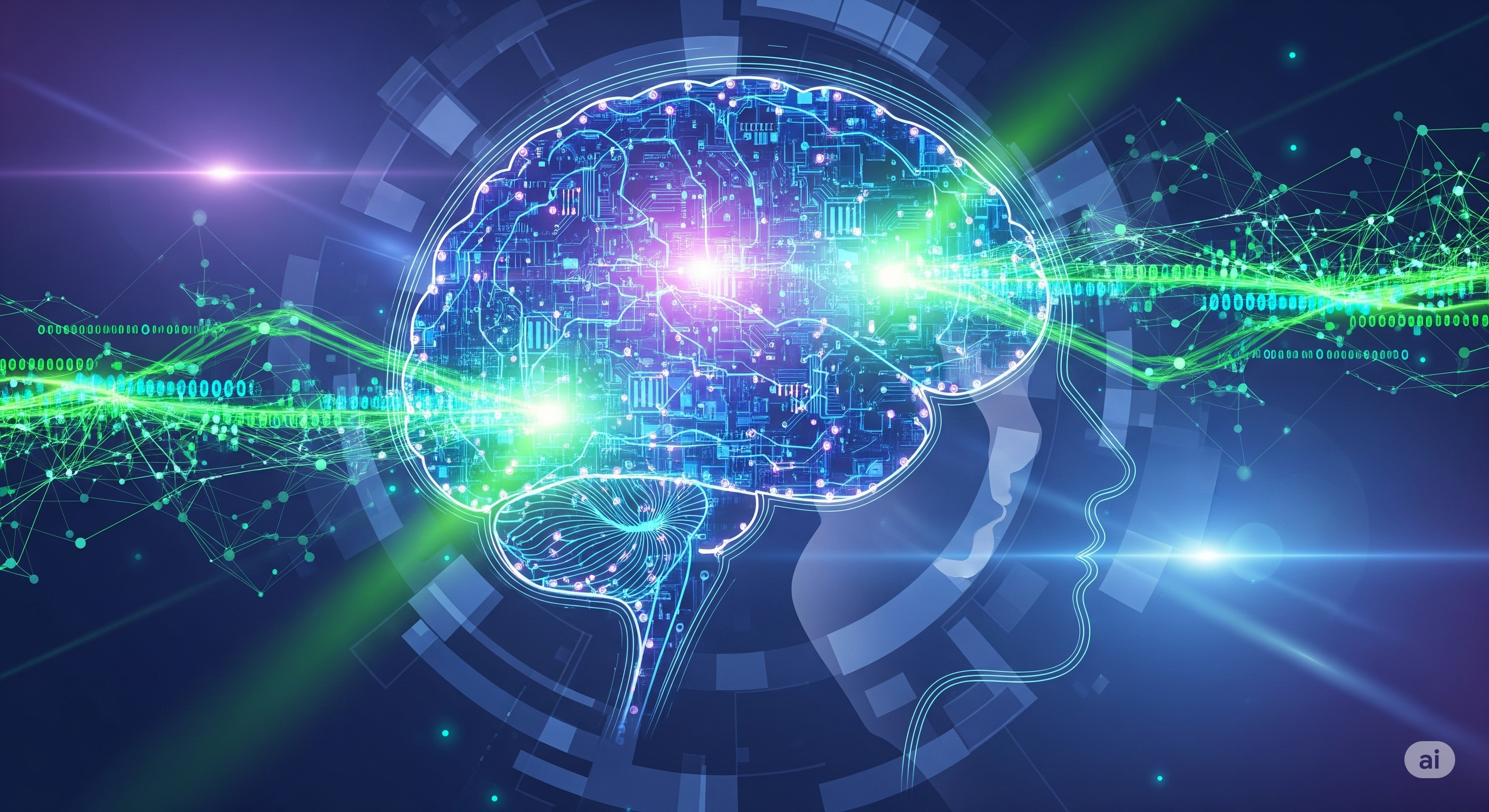
The Latest Breakthroughs in Computer Vision
Recent advancements in deep learning, particularly convolutional neural networks (CNNs), have propelled computer vision to unprecedented levels of accuracy and efficiency. We’re seeing improvements across the board, from object detection and image classification to more complex tasks like pose estimation and video understanding.
One significant development lies in the rise of transformer networks in computer vision. Traditionally dominated by CNNs, the field is now witnessing the integration of transformer architectures, initially popularized in natural language processing. These models excel at capturing long-range dependencies within images, leading to enhanced performance in tasks like image captioning and visual question answering. This fusion of CNNs and transformers promises even more powerful and versatile computer vision systems.
Another exciting area is the progress in real-time processing. With the increasing computational power of GPUs and specialized hardware like AI accelerators, real-time computer vision applications are becoming more prevalent. This means we can expect faster and more responsive systems in areas like autonomous driving, robotics, and augmented reality. Imagine self-driving cars navigating complex traffic situations with seamless accuracy or surgical robots performing delicate procedures with unparalleled precision – these are no longer science fiction.
Furthermore, significant strides are being made in tackling the challenges of bias and fairness in computer vision. Algorithms trained on biased datasets can perpetuate and amplify existing societal inequalities. Researchers are actively working on developing more robust and inclusive datasets and algorithms to mitigate these risks. This crucial aspect ensures that the technology benefits everyone equitably.
Beyond Image Recognition: The Expanding Applications of Computer Vision
The applications of computer vision are incredibly diverse and continue to expand at an astonishing pace. Let's explore a few key areas:
Healthcare Revolution:
Computer vision is transforming healthcare diagnostics, enabling faster and more accurate diagnoses of diseases like cancer and eye conditions. AI-powered systems can analyze medical images like X-rays, CT scans, and MRIs, detecting anomalies that might be missed by the human eye. This leads to earlier interventions and improved patient outcomes.
Manufacturing and Automation:
In manufacturing, computer vision plays a crucial role in quality control, automating inspection processes, and identifying defects in products with exceptional speed and precision. This enhances efficiency, reduces waste, and improves overall product quality.
Self-Driving Cars:
The development of autonomous vehicles heavily relies on computer vision. Cars use cameras and sensors to perceive their surroundings, identify obstacles, and navigate roads safely. The ongoing improvements in computer vision accuracy are critical for the widespread adoption of self-driving technology.
Retail and E-commerce:
From improved checkout experiences to personalized recommendations, computer vision is transforming the retail landscape. Retailers use computer vision for inventory management, customer analytics, and enhancing the overall shopping experience.
Security and Surveillance:
Computer vision enhances security systems through facial recognition, object detection, and anomaly detection. This technology plays a vital role in crime prevention and public safety.
The Future of Computer Vision: What Lies Ahead?
The future of computer vision looks incredibly promising. We can anticipate even more sophisticated algorithms, capable of understanding context, reasoning, and making complex decisions based on visual information. The integration of computer vision with other AI technologies like natural language processing will unlock even more powerful applications. We might see a future where computers can truly "understand" the visual world in a way that rivals or surpasses human capabilities.
The ethical considerations surrounding computer vision, such as privacy concerns and potential misuse, remain paramount. Open discussions and responsible development are essential to ensure that this powerful technology is used ethically and benefits humanity as a whole.
Join the Conversation!
Computer vision is revolutionizing the world around us, and its impact is only going to grow. What are your thoughts on the future of computer vision? Share your predictions and insights in the comments below! Let's discuss the exciting possibilities and challenges that lie ahead. Don't forget to share this article with your network to spread the word about this fascinating and rapidly evolving field!
