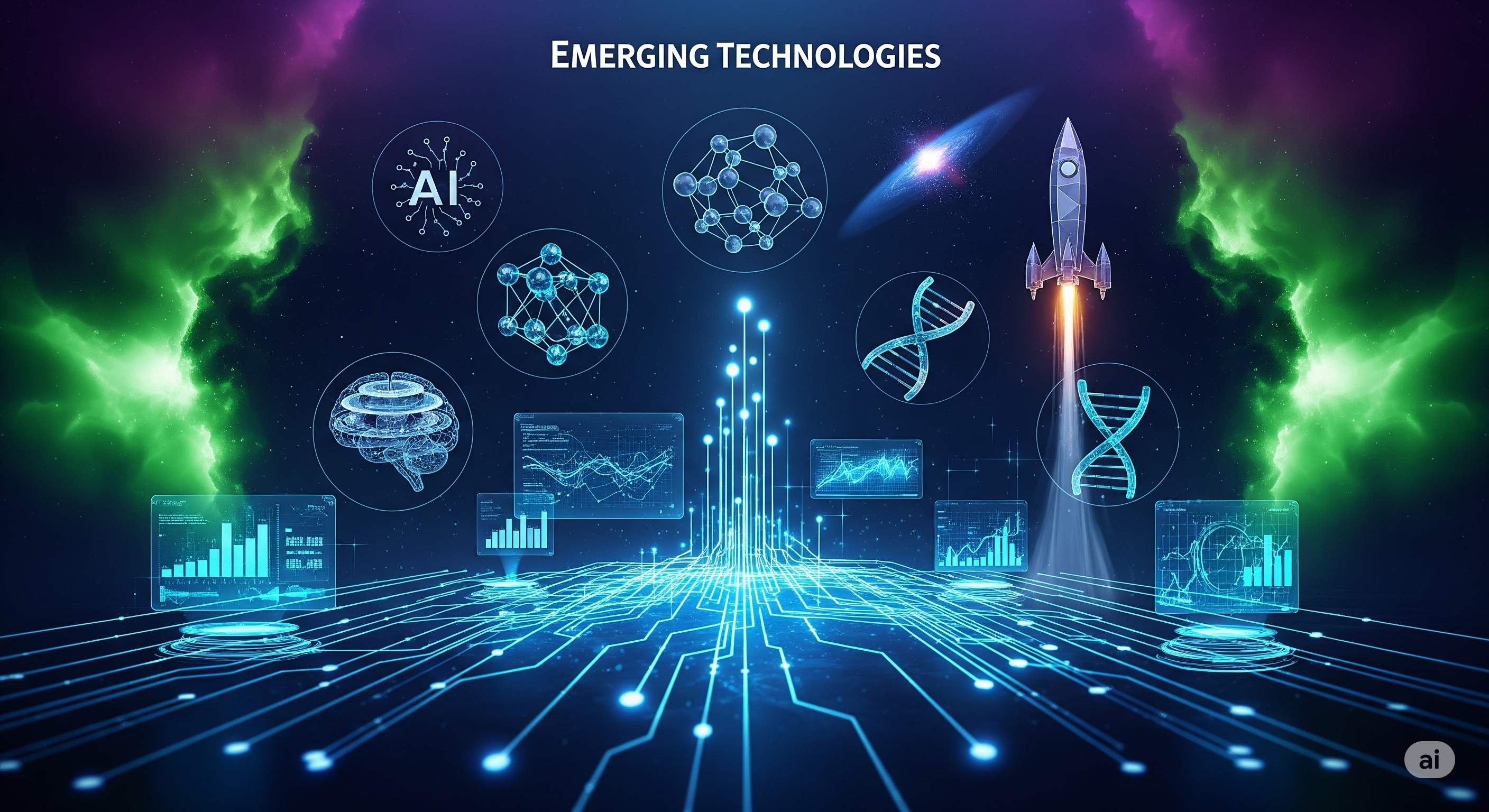
For years, developing and deploying cutting-edge AI required massive computational resources, specialized hardware, and deep expertise – assets largely confined to a handful of well-funded corporations and research institutions. Today, thanks to the relentless innovation within cloud computing, that landscape has dramatically shifted. Cloud providers are not just offering raw processing power; they are democratizing AI, making sophisticated tools and services accessible, scalable, and affordable for anyone with an internet connection. This isn't just a technological shift; it's an economic and creative revolution, leveling the playing field and unleashing a torrent of innovation across every industry.
The Cloud: AI’s Indispensable Engine Room
Imagine building a skyscraper. You need a solid foundation, powerful cranes, and a reliable power source. In the world of AI, the cloud serves as all three. Training large language models, running complex machine learning algorithms, or processing vast datasets for deep learning requires immense computational muscle – CPUs, GPUs, TPUs – and scalable storage. Public cloud platforms like AWS, Microsoft Azure, and Google Cloud have invested billions in building global networks of data centers packed with this high-performance infrastructure.
But it’s more than just hardware. The cloud offers an entire ecosystem of managed services. Instead of spending months setting up servers, installing frameworks, and managing complex software environments, developers can provision resources in minutes, scaling them up or down as needed. This flexibility and on-demand model drastically reduces the entry barrier for AI development, allowing innovators to focus on their ideas rather than infrastructure headaches. Without the cloud, the current explosion of AI research and application simply wouldn't be possible.
AI-Powered Development Tools: Your Personal Coding Sidekick
One of the most exciting recent developments driven by cloud computing is the integration of AI directly into developer workflows. We’re witnessing the rise of AI-powered coding assistants that are changing how software is built. Tools like GitHub Copilot, AWS CodeWhisperer, and Google Duet AI are powered by massive AI models hosted and served via the cloud.
These services analyze existing code, learn from vast repositories of open-source projects, and then generate code snippets, suggest functions, or even complete entire blocks of code based on natural language prompts. This dramatically accelerates development, reduces repetitive tasks, and allows developers to focus on higher-level problem-solving. It’s not just about speed; it’s about lowering the technical bar for entry, empowering junior developers, and making expert-level coding more accessible. Imagine a future where translating a complex business logic into functional code is significantly easier, opening doors for a new generation of builders.
Supercharging Business with AI-as-a-Service
Beyond developer tools, cloud providers are increasingly offering sophisticated AI capabilities as ready-to-use services, often referred to as AI-as-a-Service (AIaaS). This means businesses, regardless of their AI expertise, can tap into powerful pre-trained models and specialized AI services with just a few API calls.
Consider applications like natural language processing (NLP) for sentiment analysis of customer reviews, computer vision for object detection in security footage, or recommendation engines for personalized e-commerce experiences. Previously, building these required teams of data scientists and machine learning engineers. Now, cloud platforms offer services that can perform these tasks out-of-the-box. This democratization empowers small and medium-sized enterprises (SMEs) to leverage AI for competitive advantage, transforming customer interactions, optimizing operations, and making data-driven decisions that were once the exclusive domain of large corporations. Whether it's enhancing customer service with AI chatbots, automating document processing, or predicting equipment failures, AIaaS is driving tangible business value across sectors.
The Edge and Hybrid Cloud: Bringing AI Closer to the Action
The cloud isn't just about centralized data centers; it's also extending its reach to the "edge" – where data is generated, such as IoT devices, smart factories, or autonomous vehicles. This trend, often facilitated by hybrid cloud strategies, is crucial for AI applications that require real-time processing and low latency.
Imagine a factory floor where AI-powered cameras detect product defects instantaneously, or an autonomous car making split-second decisions based on sensor data. Sending all this data back to a distant cloud for processing isn't feasible. Hybrid cloud solutions allow organizations to run AI inference models at the edge, while using the centralized cloud for model training, updates, and broader data analytics. This convergence means AI can operate faster, more efficiently, and in scenarios where connectivity might be limited, opening up entirely new use cases for AI in remote locations, critical infrastructure, and specialized industrial applications.
Addressing the Challenges: Security, Ethics, and Sustainability in the AI Cloud
While the democratization of AI brings immense opportunities, it also surfaces critical challenges that cloud providers and users are actively addressing. Security remains paramount, as more sensitive data flows through cloud-hosted AI systems. Robust encryption, access controls, and compliance frameworks are non-negotiable.
Equally important is the ethical development and deployment of AI. As AI becomes more accessible, ensuring fairness, transparency, and accountability in algorithms is crucial. Cloud providers are investing in tools and guidelines to help developers identify and mitigate biases, understand model decisions, and uphold ethical AI principles. Finally, the massive computational power required for AI has an environmental footprint. The industry is increasingly focused on sustainable cloud practices, optimizing energy efficiency in data centers, and leveraging renewable energy sources to power the AI revolution responsibly.
The Future is Cloud-Powered and AI-Driven
The synergy between cloud computing and artificial intelligence is not just a passing trend; it’s a foundational shift that is redefining innovation. By democratizing access to powerful AI tools and scalable infrastructure, the cloud is empowering a new wave of creativity and problem-solving across the globe. From a student developing an AI-powered app in their dorm room to a multinational corporation optimizing its supply chain, the future of AI is collaborative, accessible, and deeply rooted in the cloud. We are witnessing the dawn of an era where virtually anyone with an idea can harness the power of AI, translating ambitious visions into tangible realities.
What AI innovation are you most excited about? How do you see cloud computing further accelerating this technological revolution? Share your thoughts and predictions in the comments below, or tell us about your own experiences leveraging AI in the cloud! Let’s continue this conversation and together explore the boundless potential of a cloud-powered, AI-driven future.