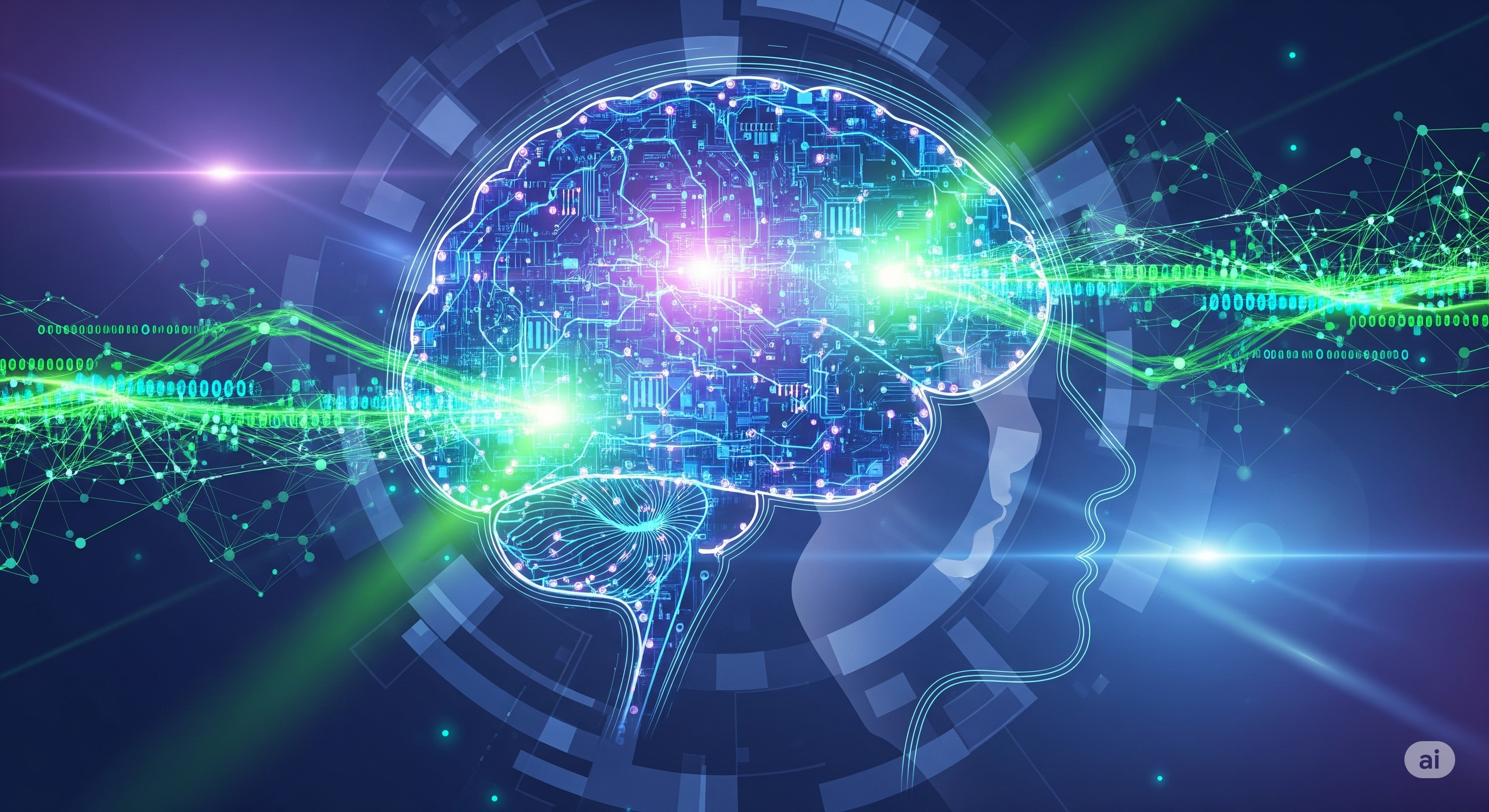
For years, neural networks were the domain of researchers and tech giants. Now, with recent breakthroughs in processing power, data availability, and algorithmic innovation, they are unleashing capabilities that were once the stuff of science fiction. The latest news isn't just about what AI can do, but how these increasingly sophisticated neural networks are learning to perceive, understand, and even *act* in ways that are changing the very fabric of our digital and physical lives.
The Quiet Architects: What Are Neural Networks?
At their core, neural networks are computational models designed to recognize patterns. Imagine a vast network of interconnected "neurons," each receiving inputs, performing a simple calculation, and passing on an output. When arranged in layers – an input layer, one or more hidden layers, and an output layer – these networks can learn to identify complex relationships in data. They are "trained" on massive datasets, adjusting the strength of connections between neurons (called "weights") until they can accurately predict outcomes or classify information.
This process, known as deep learning (a subset of machine learning), has enabled monumental leaps in areas like image recognition, natural language processing, and speech synthesis. Simply put, neural networks are the engines that allow AI to learn from experience, adapt, and perform tasks that traditionally required human intelligence. They are the backbone of modern AI, and their evolution is directly correlated with the breathtaking pace of AI development.
The Latest Frontier: Multi-Modal Magic and Autonomous Agents
The most captivating recent advancements in neural networks revolve around two key areas: multi-modal AI and the emergence of increasingly autonomous AI agents. These are not just incremental improvements; they represent a fundamental shift in how AI interacts with and understands the world.
Seeing, Hearing, Understanding: The Multi-Modal Leap
Gone are the days when an AI could only process text or only recognize images. The latest generation of neural networks, often massive transformer models, are truly multi-modal. This means they can seamlessly integrate and understand information from various sources simultaneously – text, images, audio, and even video.
Take, for instance, models like OpenAI's GPT-4o or Google's Gemini. These sophisticated neural architectures can interpret an image you show them, understand your spoken questions about it, and respond in natural language, all in real-time. Imagine an AI describing the contents of a complex medical scan, translating a foreign language conversation on the fly while watching a video, or even generating a creative story based on a picture and a whispered prompt. This multi-modal capability, powered by intricately designed neural networks that can map relationships across different data types, is making AI far more intuitive and powerful, blurring the lines between human perception and artificial understanding.
From Assistants to Agents: AI That Acts
Beyond understanding, neural networks are now empowering AI to *act*. The concept of "AI agents" is rapidly gaining traction. These are AI systems that can independently plan, reason, and execute multi-step tasks to achieve a user-defined goal, often interacting with software, websites, and even physical environments.
Think of an AI agent that can book your entire vacation based on a simple conversational request: searching for flights, comparing hotel prices, reading reviews, making reservations, and even suggesting local activities – all while adapting to unforeseen circumstances. These agents rely on sophisticated neural networks for their "brain," allowing them to break down complex tasks, develop strategies, learn from feedback, and even self-correct errors. This shift from reactive tools to proactive, goal-oriented agents, underpinned by advanced neural architectures, promises to fundamentally alter our relationship with technology, making AI less of a tool and more of a collaborator.
Beyond the Hype: Real-World Impacts and Emerging Applications
The implications of these advanced neural networks extend far beyond conversational AI. They are already reshaping industries and unlocking possibilities that were previously unimaginable.
Revolutionizing Industries: From Healthcare to Creative Arts
In healthcare, neural networks are accelerating drug discovery by predicting molecular interactions, assisting in early disease diagnosis from medical images, and personalizing treatment plans. In education, they are creating adaptive learning environments tailored to individual student needs. The creative arts are being transformed, with neural networks generating unique music, compelling stories, and breathtaking visual art. Logistics, finance, manufacturing – virtually every sector is finding new efficiencies and innovations thanks to the power of deep learning. This widespread adoption underscores the versatility and transformative potential of these intelligent systems.
The Ethical Compass: Navigating the Future of Powerful AI
However, with great power comes great responsibility. The rapid advancement of neural networks also brings critical ethical considerations to the forefront. Issues such as algorithmic bias (where networks trained on biased data perpetuate inequalities), job displacement, the spread of misinformation, and the control and safety of increasingly autonomous AI agents demand careful attention. As neural networks become more intelligent and capable, ensuring their responsible development, transparency, and alignment with human values becomes paramount. Discussions around AI ethics, regulation, and societal impact are no longer theoretical; they are an urgent necessity.
What's Next? The Road Ahead for Neural Networks
The journey for neural networks is far from over. Researchers are constantly exploring new architectures, developing more efficient training methods, and pushing the boundaries of what's possible. We can anticipate even larger, more energy-efficient models, further integration of sensory data, and perhaps even breakthroughs in neuromorphic computing – hardware designed to mimic the brain's structure even more closely. The dream of truly general artificial intelligence, though still distant, feels more attainable than ever, fueled by the relentless innovation in neural network design.
Your Future, Rewired
Neural networks are no longer just an academic curiosity; they are the silent, powerful engines driving the AI revolution all around us. They are enabling multi-modal understanding, powering intelligent agents, and transforming every industry imaginable. As these digital brains continue to evolve at an astonishing pace, they are not just changing how we interact with technology, but fundamentally rewiring our world and our future.
What are your thoughts on the rapid advancements in neural networks and AI? How do you envision these technologies impacting your daily life in the coming years? Share your insights and join the conversation below! Let's explore this exciting, challenging future together.
