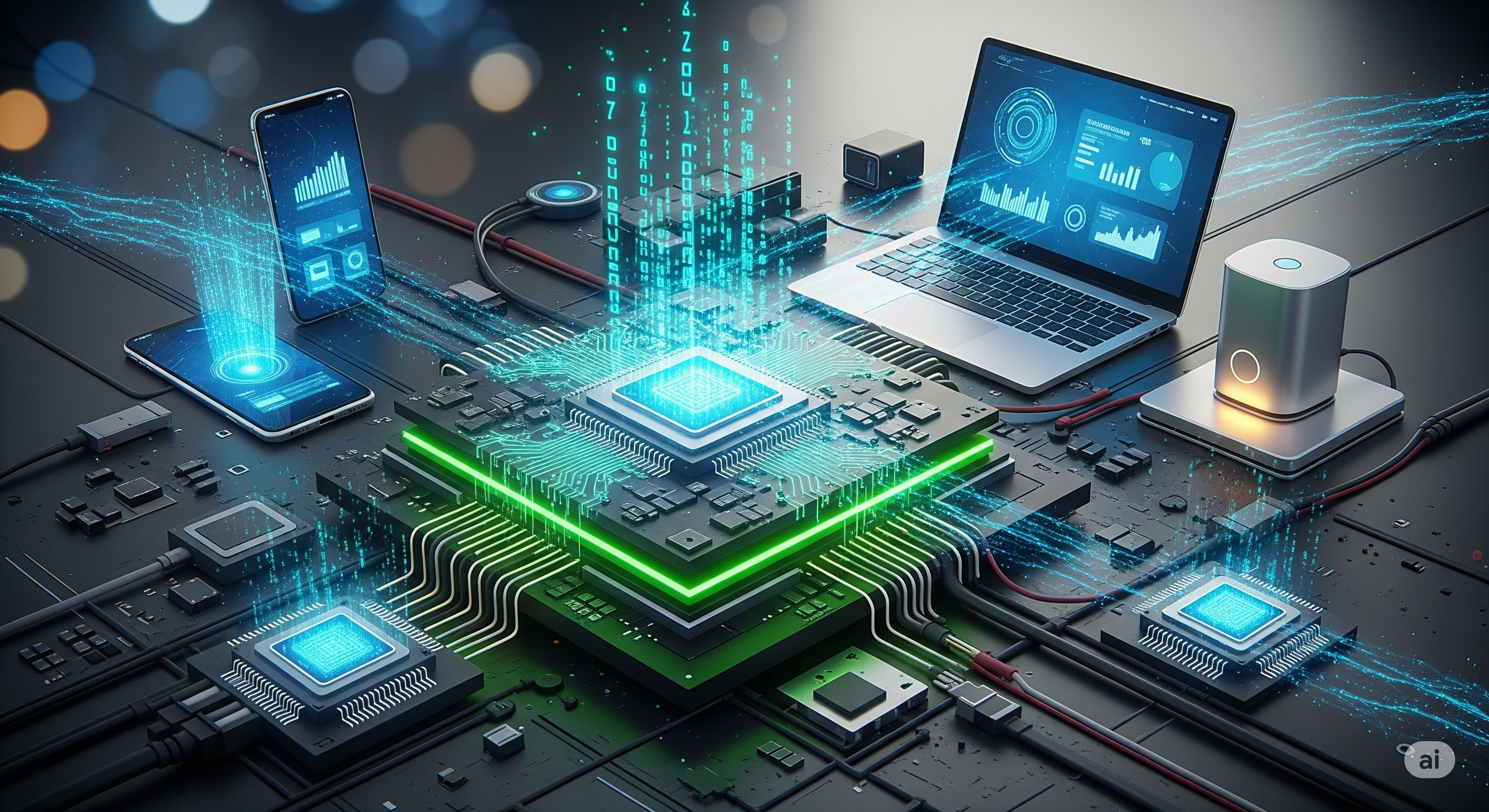
Smart Cities 2.0: How AI and Hyper-Connectivity Are Redefining Urban Living Right Now
Remember those futuristic movies where cities practically thought for themselves? Buildings pulsed with data, traffic flowed seamlessly, and every service was tailored to perfection. For a long time, this vision of a "smart city" felt like pure science fiction. But what if we told you that future is not only here but rapidly evolving, right outside your window?
Welcome to Smart Cities 2.0, an era where Artificial Intelligence (AI) and hyper-connectivity, powered by the Internet of Things (IoT) and advanced networks, are no longer just buzzwords. They are the invisible architects transforming our urban landscapes, promising a future that’s not just efficient, but sustainable, safer, and ultimately, more livable. From bustling metropolises to burgeoning towns, cities worldwide are embracing intelligent solutions to tackle the complex challenges of modern urban living. This isn't just about embedding technology; it's about creating an intelligent ecosystem that anticipates needs, optimizes resources, and enhances the quality of life for every citizen.
The Core of Smart Cities 2.0: AI and IoT in Action
At the heart of this revolution is the powerful synergy between AI and IoT. IoT sensors, cameras, and devices collect vast amounts of real-time data from every corner of the city – traffic patterns, air quality, waste levels, energy consumption, and even public safety metrics. AI then processes this colossal data stream, identifies patterns, makes predictions, and enables autonomous systems to make decisions that optimize urban services.
Smarter Transportation, Seamless Commutes
Imagine never getting stuck in traffic again. While perhaps an optimistic dream, AI-driven traffic management systems are making significant strides. Cities like Singapore and Barcelona are deploying AI to analyze real-time traffic flows, predict congestion hotspots, and dynamically adjust traffic light timings to keep vehicles moving. Smart parking solutions guide drivers directly to available spots, reducing circling and emissions. Furthermore, AI optimizes public transportation routes and schedules, adapting to demand fluctuations and unexpected disruptions, making commutes faster, greener, and more reliable for millions of urban dwellers. The goal is not just faster travel, but a truly intelligent transportation network that prioritizes efficiency and minimizes environmental impact.
Greener Cities, Cleaner Air: The Sustainability Imperative
Sustainable urban living is no longer a luxury but a necessity, and smart cities are leading the charge. AI plays a crucial role in optimizing energy grids, predicting demand, and integrating renewable energy sources more effectively. Smart streetlights dim or brighten based on ambient light and pedestrian presence, saving substantial energy. IoT sensors monitor air and water quality in real-time, alerting authorities to pollution spikes and enabling proactive measures. Even waste management is getting a smart overhaul, with AI predicting optimal collection routes based on bin fill levels, reducing fuel consumption and operational costs. These innovations are creating genuinely greener cities, improving public health, and reducing our collective carbon footprint.
Enhanced Public Safety and Emergency Response
The safety of citizens is a paramount concern for any urban area, and smart technologies are proving invaluable. AI-powered surveillance systems can detect unusual activities or patterns that might indicate a potential incident, alerting emergency services faster than ever before. Connected IoT devices can monitor infrastructure for structural weaknesses, preventing accidents. In the event of a natural disaster or major incident, real-time data from sensors and drones can provide emergency responders with critical information, allowing for more efficient resource deployment and saving lives. The aim is to create a responsive urban environment where threats are mitigated and citizens feel more secure.
The Digital Twin Revolution: Cities in Simulation
One of the most groundbreaking advancements in smart city planning is the concept of a "digital twin." This involves creating a virtual replica of a physical city, or parts of it, populated with real-time data from thousands of IoT sensors. Urban planners can then use this digital twin to simulate various scenarios – the impact of new infrastructure, traffic flow changes, or even disaster responses – before implementing them in the physical world. Cities like Helsinki and Dubai are already leveraging digital twins to optimize urban development, manage infrastructure, and make data-driven decisions that are both cost-effective and beneficial for their populations. It's like having a crystal ball for urban development.
Beyond the Hype: Addressing the Challenges
While the promise of smart cities is immense, their implementation isn't without its hurdles. The rapid pace of technological change also brings ethical considerations and practical challenges that need careful navigation.
The Data Deluge and Privacy Paradox
Smart cities generate an unprecedented volume of data. While this data is the lifeblood of intelligent systems, it also raises significant concerns about privacy and data security. Who owns this data? How is it stored? And most importantly, how can we ensure it's used responsibly and ethically, protecting individual liberties while enhancing collective well-being? Robust regulatory frameworks, transparent data governance, and strong cybersecurity measures are essential to build public trust and prevent potential misuse.
Ensuring Inclusivity in a Digital World
The benefits of smart city technologies must extend to all residents, regardless of socioeconomic status, age, or digital literacy. There's a risk of exacerbating the digital divide if technology is not implemented inclusively. Ensuring equitable access to digital services, providing digital literacy programs, and designing user-friendly interfaces are critical to creating truly inclusive smart cities where everyone can participate and benefit from the advancements.
The Future is Now: What's Next for Smart Cities?
The evolution of smart cities is a continuous journey. As 5G networks become ubiquitous, unlocking even faster data speeds and lower latency, we can expect to see even more sophisticated applications. Imagine autonomous public transport, personalized urban services delivered via augmented reality, and widespread predictive analytics that anticipate urban challenges before they even arise. The integration of advanced robotics, drone delivery services, and even sophisticated sensor-enabled waste management systems will further refine the urban experience. The future of urban living promises to be hyper-connected, personalized, and intuitively responsive to our needs, evolving from merely "smart" to truly "intelligent" and adaptive.
Join the Conversation!
The transformation of our cities is one of the most exciting developments of our time. From smoother commutes to cleaner air, smart city innovations are actively shaping our daily lives. What aspects of smart city technology excite you the most? Have you noticed any smart city initiatives in your own community? How do you think AI and connectivity will impact your urban experience in the next decade? Share your thoughts, experiences, and predictions in the comments below! Let's build the cities of tomorrow, together.
