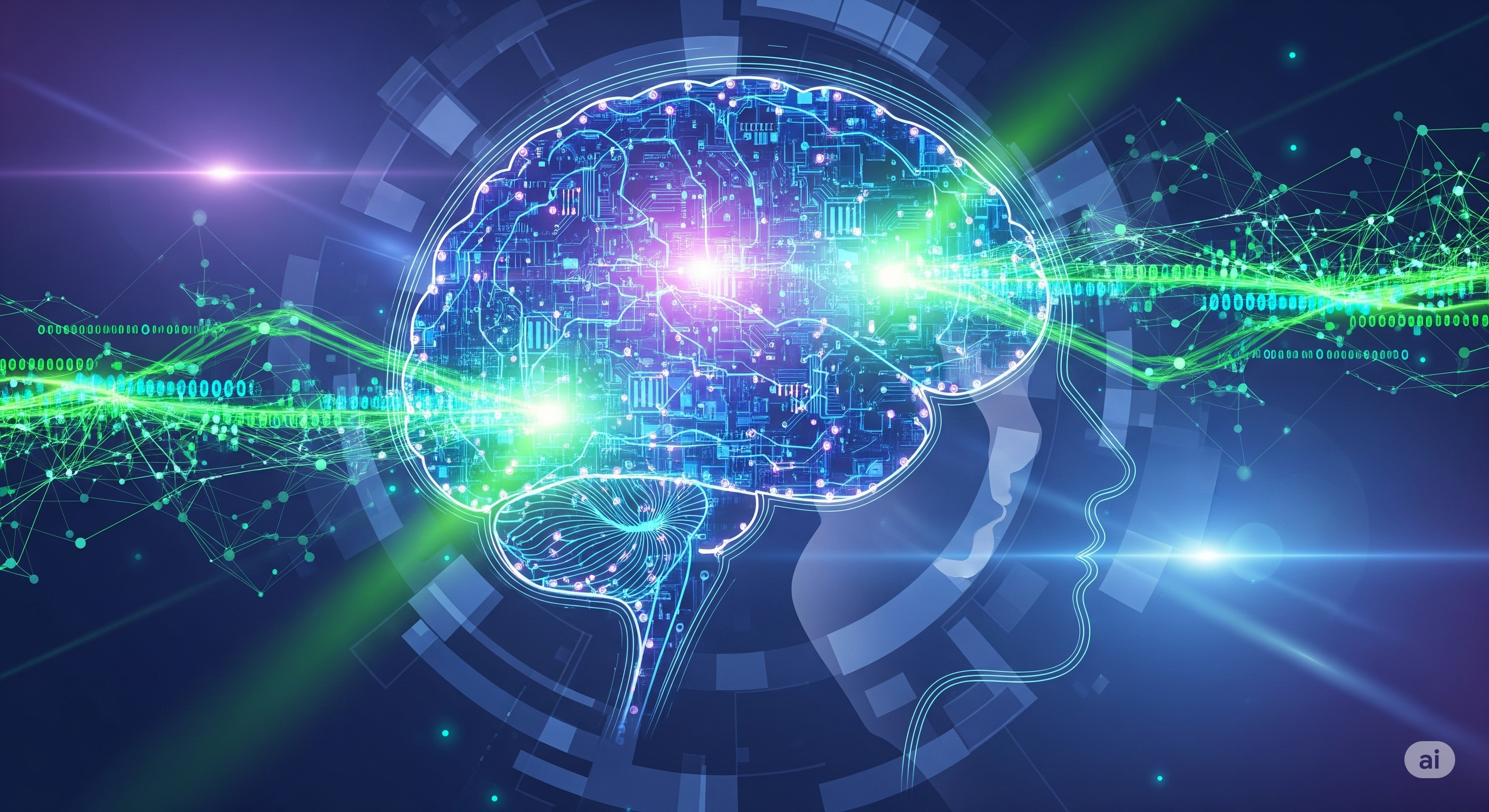
The AI Brain Boom: Neural Networks Are Unlocking Unprecedented Creativity & Power
Imagine a world where your wildest ideas can be brought to life with a simple prompt, where complex scientific challenges are unravelled in days, and where personalized experiences are tailored to your every need. This isn't science fiction anymore; it’s the rapidly accelerating reality being sculpted by one of humanity’s most profound innovations: neural networks. We are witnessing an unprecedented "brain boom" in Artificial Intelligence, driven by these sophisticated algorithms that are not just improving existing technologies but inventing entirely new frontiers of creation and discovery.
In the past year alone, the landscape of AI has transformed at breakneck speed, with neural networks at the heart of every seismic shift. From generating hyper-realistic images and fluent prose to composing music and even designing protein structures, these digital brains are demonstrating capabilities once thought to be exclusive to human intellect. If you've felt a jolt of wonder or a spark of curiosity about the future, you're experiencing the ripples of this revolution. Let's dive into how these incredible systems are changing everything we thought we knew about intelligence and creativity.
A New Dawn: What Are Neural Networks and Why Are They Exploding Now?
At its core, a neural network is a computational model inspired by the human brain's structure and function. It consists of interconnected nodes, or "neurons," organized in layers. These networks learn from vast amounts of data, identifying patterns and relationships without explicit programming, much like how a child learns to recognize a cat after seeing many examples. Each connection between neurons has a "weight," which the network adjusts through training, making it better at its assigned task.
So, why the sudden explosion in their capabilities and public awareness? Several factors converge to create this pivotal moment:
1. Massive Data Availability: The digital age has provided an ocean of data—text, images, videos, audio—that neural networks can use to learn and refine their understanding of the world.
2. Computational Power: Advances in hardware, particularly specialized graphics processing units (GPUs), provide the immense processing power required to train these complex models efficiently.
3. Algorithmic Breakthroughs: Innovations like the "Transformer" architecture have dramatically improved how neural networks process sequences of data, leading to phenomenal leaps in natural language processing and generation.
4. Open-Source Culture: A collaborative research environment means breakthroughs are shared and built upon rapidly, accelerating progress across the board.
The culmination of these factors means neural networks are no longer just tools for analysis; they are becoming powerful engines of creation and invention.
Beyond Text: The Multimodal Marvels of Modern Neural Networks
While early AI breakthroughs captivated us with human-like text generation, the latest wave of neural network advancements is profoundly multimodal. This means AI systems can now understand, integrate, and generate content across different types of data simultaneously—text, images, audio, and video.
Think about models like OpenAI's GPT-4V, which can analyze images and answer complex questions about them, or Google's Gemini, designed from the ground up to be multimodal. The most buzz-worthy developments include the ability to generate entire, coherent video clips from simple text descriptions, as demonstrated by early glimpses of tools like Sora. These aren't just stitching together existing content; they are generating entirely novel, imaginative visual narratives.
From Imagination to Reality: Crafting Worlds with AI
The implications for creativity are staggering. Artists, designers, filmmakers, musicians, and writers are finding neural networks to be powerful co-pilots:
* Visual Arts: Generating unique artwork, refining existing designs, creating stunning photorealistic or abstract images from mere words.
* Video Production: Rapidly prototyping scenes, generating stock footage, or even animating entire sequences for films and advertisements.
* Music Composition: Creating original scores, generating background music, or exploring new sonic landscapes.
* Storytelling: Crafting compelling narratives, assisting with world-building, and generating dialogue that feels authentically human.
This isn't about replacing human creativity but augmenting it, allowing creators to iterate faster, explore more options, and push the boundaries of imagination further than ever before. The barrier to entry for content creation is plummeting, democratizing the ability to bring ideas to life.
The Engineering Behind the Magic: Smaller, Smarter, Faster
Underpinning these dazzling capabilities are continuous innovations in the engineering of neural networks themselves. Researchers are constantly finding ways to make these models more efficient, requiring less computational power and data to achieve incredible results. Techniques like model distillation, quantization, and sparse neural networks are leading to:
* Smaller Footprints: AI models that can run on consumer-grade devices, from smartphones to smart home gadgets, enabling on-device intelligence without needing constant cloud connection.
* Faster Inference: Quicker responses from AI systems, crucial for real-time applications like autonomous driving or instant content generation.
* Reduced Energy Consumption: Making AI more sustainable and accessible by lowering the substantial energy costs associated with training and deployment.
These advancements mean that powerful AI is not just confined to massive data centers; it's becoming integrated into the fabric of our everyday digital lives, silently empowering countless applications.
Navigating the Future: Opportunities, Challenges, and the Human Element
The rapid evolution of neural networks presents both immense opportunities and significant challenges.
Opportunities: They promise to accelerate scientific discovery, revolutionize industries from healthcare to finance, personalize education, and unlock entirely new forms of human expression and interaction. Imagine AI assisting in drug discovery, designing new materials, or helping us understand complex climate models with unprecedented speed and accuracy.
Challenges: Concerns about job displacement, the spread of misinformation through generated content, intellectual property rights, and the ethical implications of autonomous AI systems are legitimate and require thoughtful consideration. The crucial task ahead is to develop AI responsibly, ensuring fairness, transparency, and accountability.
Ultimately, neural networks are powerful tools. Like any tool, their impact is shaped by the intentions and wisdom of those who wield them. The human element—our values, creativity, and critical thinking—remains paramount. Our role is not to compete with AI, but to collaborate with it, guide its development, and ensure it serves humanity's best interests.
Your Role in the AI Revolution: Don't Just Watch, Participate!
The AI brain boom is here, and it’s accelerating. It’s no longer a niche topic for researchers but a force reshaping society, culture, and economy. Understanding the basics of neural networks and their capabilities is becoming as fundamental as understanding the internet.
Don't just be a spectator; be a participant. Experiment with the AI tools available, engage in discussions, think critically about the implications, and imagine the possibilities. The future isn't something that happens to us; it's something we build, together, with the incredible power of neural networks as our newest, most potent co-creator.
What are your thoughts on the latest neural network advancements? How do you see them impacting your daily life or your industry in the coming years? Share your insights in the comments below, and help spread the word about this fascinating technological revolution!