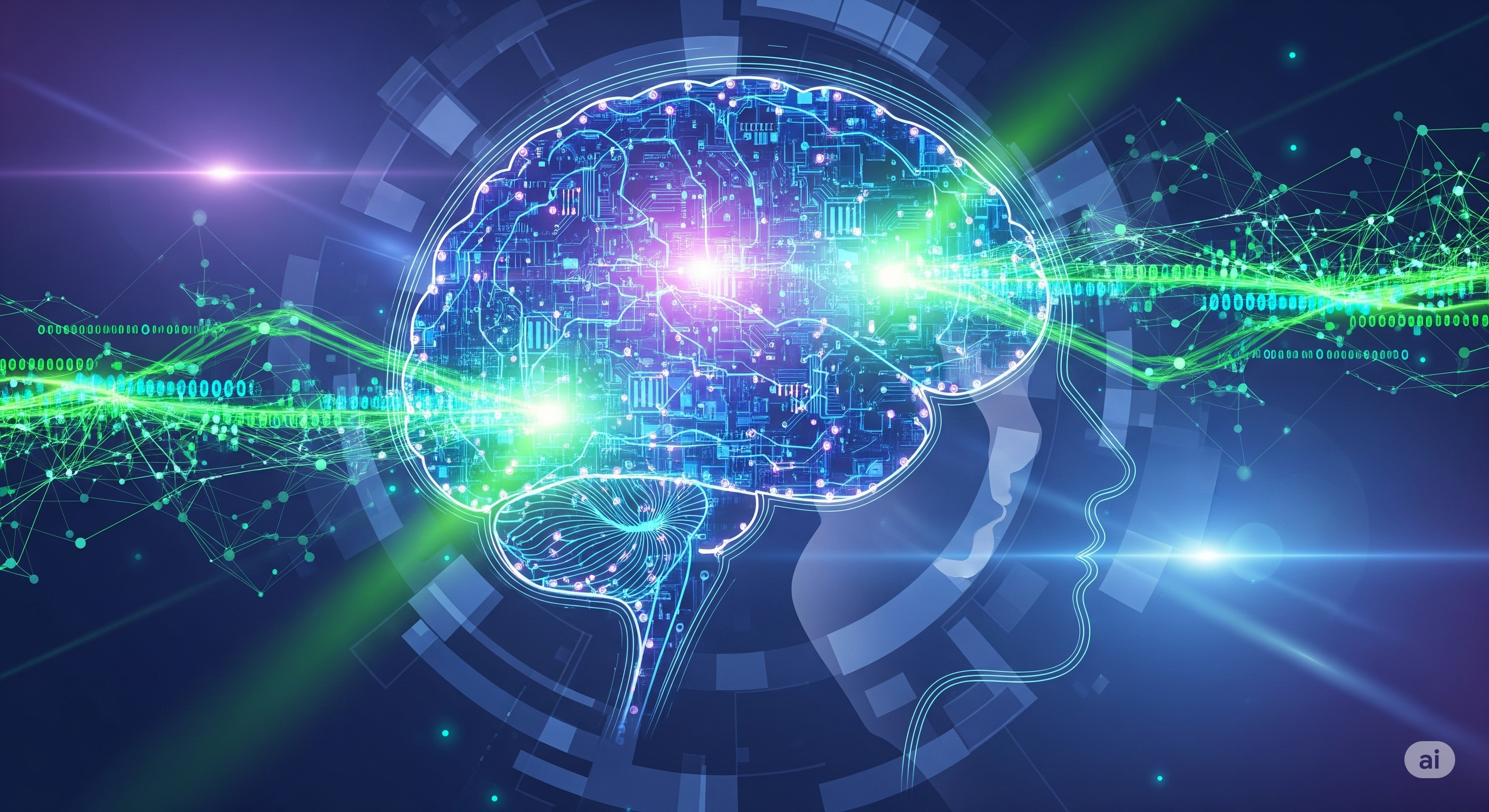
The AI Avalanche: When Innovation Outpaces Oversight
The past few years have witnessed an "AI avalanche," spearheaded by the rapid emergence of sophisticated generative AI models like OpenAI's ChatGPT, Google's Gemini, Midjourney, and Sora. These tools can create text, images, and even videos with astonishing realism, democratizing creation and accelerating problem-solving. But with this rapid ascent comes a host of complex ethical dilemmas that threaten to outpace our ability to understand and regulate them.
One of the most persistent concerns is AI bias and discrimination. AI systems learn from the data they're fed, and if that data reflects existing societal prejudices, the AI will perpetuate – and even amplify – those biases. We've seen this manifest in facial recognition software misidentifying minorities, hiring algorithms favoring certain demographics, and healthcare AI systems providing unequal care. These aren't just technical glitches; they're ethical failures with real-world consequences, embedding inequality deeper into our digital infrastructure.
Then there's the looming specter of misinformation and deepfakes. Generative AI can create highly convincing fake images, audio, and video, making it increasingly difficult to discern truth from fabrication. This erosion of trust poses significant risks to democratic processes, public discourse, and individual reputations. The potential for widespread, AI-generated propaganda or targeted disinformation campaigns is a chilling reality we're only just beginning to grapple with.
Other pressing concerns include job displacement on a massive scale, raising questions about economic equity and the future of work; privacy and surveillance, as AI systems analyze vast troves of personal data; and intellectual property rights, as generative models are trained on existing copyrighted works without clear attribution or compensation mechanisms. The collective weight of these issues demands a concerted, global effort to steer AI development towards a more responsible future.
A Global Effort: Erecting Ethical Guardrails
Recognizing the monumental stakes, governments and international bodies worldwide are scrambling to erect ethical guardrails around AI. Leading this charge is the European Union, which recently finalized its landmark EU AI Act. This pioneering legislation adopts a risk-based approach, categorizing AI systems based on their potential to cause harm. High-risk applications, such as those used in critical infrastructure or law enforcement, will face stringent requirements for data quality, transparency, human oversight, and cybersecurity. The EU AI Act is poised to set a global benchmark, influencing regulatory frameworks far beyond Europe's borders and reinforcing the principle that AI must be "human-centric."
Across the Atlantic, the United States has also taken significant steps. President Biden’s Executive Order on Safe, Secure, and Trustworthy Artificial Intelligence outlines a comprehensive strategy focusing on AI safety standards, responsible innovation, protecting privacy, advancing equity, and combating AI-enabled fraud and deception. While less prescriptive than the EU Act, it signals a strong commitment to establishing a responsible AI ecosystem.
Beyond these major players, the G7 Hiroshima AI Process aims to develop international guiding principles and a code of conduct for AI developers. The UK hosted the inaugural AI Safety Summit at Bletchley Park, bringing together world leaders, academics, and tech executives to discuss the risks of frontier AI. Even the United Nations is actively involved, debating the need for global AI governance to ensure equitable access and prevent misuse.
The challenge, however, is immense. The pace of technological innovation consistently outstrips the speed of legislation. Crafting universal standards that are flexible enough to adapt to evolving technologies, yet robust enough to enforce ethical principles across diverse legal and cultural landscapes, is a delicate balancing act that requires unprecedented international cooperation.
Beyond Legislation: The Human Element in AI's Future
While robust legislation is crucial, the responsibility for ethical AI extends far beyond government mandates. The tech industry itself plays a pivotal role. Major AI developers like OpenAI, Google, Microsoft, and Meta have invested heavily in internal ethics teams, "red teaming" exercises (where experts try to find flaws and biases in AI systems), and the development of responsible AI principles. These efforts, though sometimes criticized for their scope or effectiveness, are vital for embedding ethical considerations at every stage of AI development.
Furthermore, the concept of Explainable AI (XAI) is gaining traction. For AI systems to be trustworthy, particularly in high-stakes fields like medicine or finance, we need to understand *why* they make certain decisions. XAI aims to make AI's internal workings more transparent, fostering accountability and allowing for the identification and correction of biases.
Crucially, human-in-the-loop approaches are essential. Ensuring that human judgment, empathy, and ethical reasoning remain at critical decision points, especially in autonomous systems, provides a necessary safeguard. Ultimately, AI is a tool, and like any tool, its impact is determined by the intentions and ethics of those who design, deploy, and use it.
This brings us to our collective responsibility as users. Cultivating AI literacy – understanding how AI works, its limitations, and its potential biases – is paramount. Empowering ourselves to question AI's outputs, demand transparency, and advocate for ethical development is perhaps the most powerful force in shaping the future of AI.
Charting the Course: Opportunities and Our Collective Responsibility
The AI ethics tightrope is precarious, but the view from above offers incredible opportunities. AI has the potential to revolutionize healthcare, accelerate climate change solutions, personalize education, and make the world more accessible for people with disabilities. It can be a force for immense good, provided we chart its course with foresight and integrity.
The ongoing dialogue between industry, government, academia, and civil society is not just important; it's existential. It is through these conversations that we define our ethical compass, deciding what kind of future we want to build with AI. The ultimate goal isn't to stifle innovation but to ensure that AI progresses in a way that aligns with human values, respects human dignity, and enhances the well-being of all.
We stand at a pivotal moment in history. The choices we make today regarding AI ethics will define generations to come. Will we succumb to the momentum of unchecked innovation, or will we collectively choose to walk the tightrope with purpose, ensuring that AI remains a tool for human flourishing?
What are *your* biggest concerns or hopes for AI's ethical development? Share your thoughts and join the conversation shaping our AI future!
