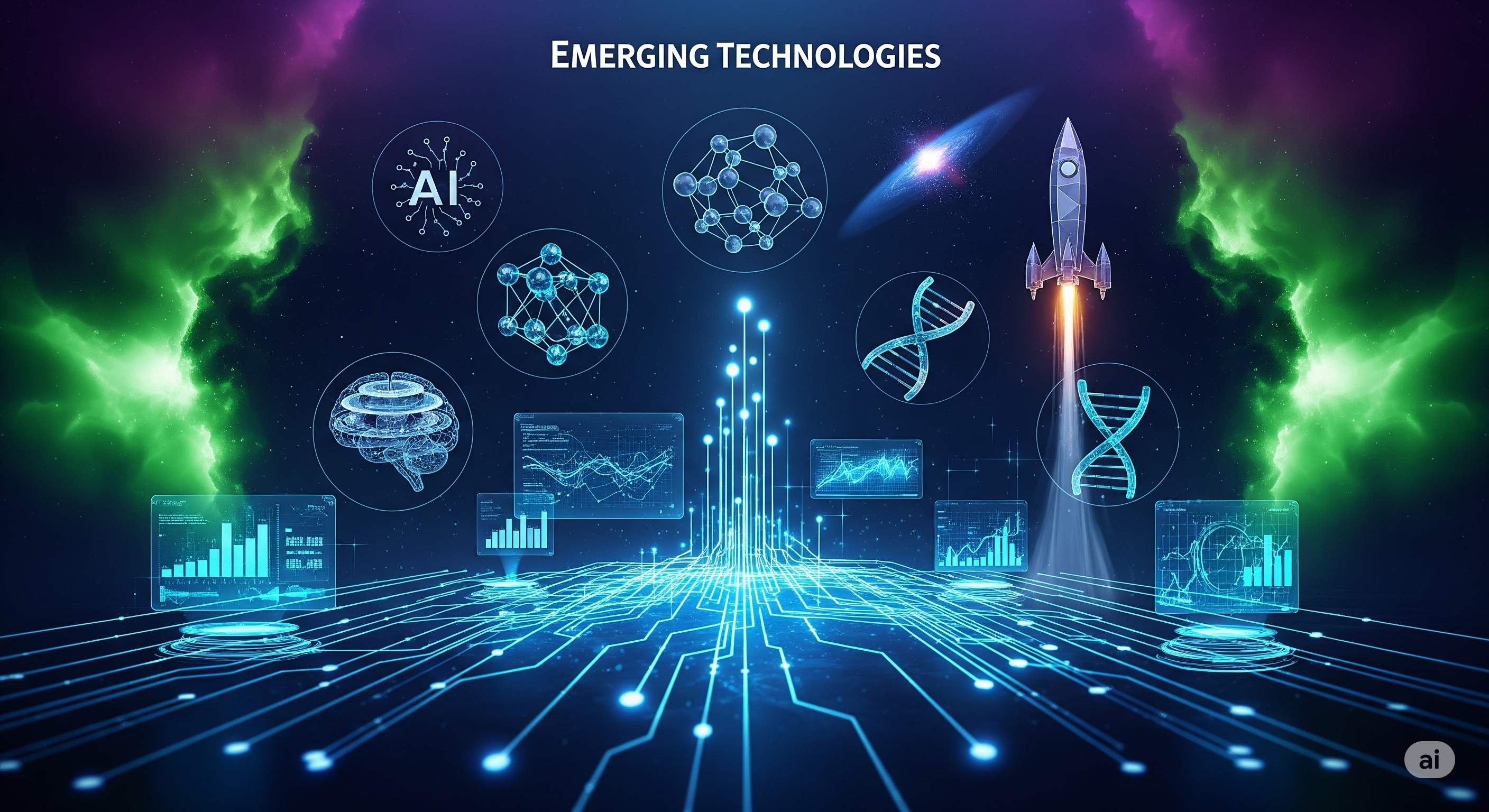
The Edge Revolution: How Distributed Intelligence is Unlocking Our Hyper-Connected Future
Remember when "the cloud" was the biggest buzzword in tech, promising limitless storage and processing power? Well, brace yourselves, because the next seismic shift is already underway, quietly transforming industries and our daily lives. It’s called Edge Computing, and it's rapidly moving intelligence closer to where data is born – at the "edge" of our networks. This isn't just an upgrade; it's a fundamental reimagining of how we process information, driven by an insatiable demand for instant insights and real-time action. Forget waiting for data to travel thousands of miles to a centralized data center and back; the future is about intelligence everywhere, instantly.
What Exactly Is Edge Computing, And Why Now?
At its core, Edge Computing involves processing data near the source of its creation, rather than sending it all the way to a distant cloud server or centralized data center. Think of it as pushing the brain closer to the senses. Instead of your smart camera sending every single frame to the cloud for analysis, an edge device within the camera or nearby can analyze the footage locally, instantly detecting a package delivery or an unfamiliar face, and only sending relevant alerts to the cloud.
Why the sudden surge in its importance? The answer lies in the explosive growth of connected devices (IoT), the exponential demand for artificial intelligence (AI), and the advent of lightning-fast 5G networks. These technologies aren't just creating more data; they're demanding *faster* processing and *quicker* decisions than traditional cloud architectures can reliably provide. Latency, the delay in data transmission, becomes a critical bottleneck for applications like autonomous vehicles or smart factory robots. Edge computing is the elegant solution to this impending data tsunami, offering a pathway to real-time responsiveness that was once only theoretical.
The Cloud's Complement, Not Its Replacement
It’s crucial to understand that Edge Computing isn't here to dethrone the cloud. Instead, it’s a powerful complement, forming a distributed continuum of computing power. The cloud remains essential for massive data storage, long-term analytics, and training complex AI models. The edge, however, takes on the heavy lifting of real-time processing and immediate decision-making, filtering data and sending only the most crucial information back to the cloud. This synergistic relationship optimizes performance, reduces bandwidth consumption, enhances data security, and most importantly, unlocks unprecedented levels of operational efficiency and innovation.
The Triumvirate: Edge, AI, and 5G – An Unstoppable Force
The true power of Edge Computing isn't realized in isolation. It's the powerful convergence of Edge, Artificial Intelligence (AI), and 5G connectivity that forms an unstoppable force, propelling us into an era of pervasive intelligence. This triumvirate is the engine driving the next wave of digital transformation across every sector imaginable.
AI at the Edge: Real-Time Insights, Local Power
Deploying AI models directly onto edge devices – often referred to as "Edge AI" – means that artificial intelligence can perform inference (making predictions or decisions) without constant reliance on the cloud. Imagine a smart traffic light that can analyze vehicle patterns and pedestrian movements in milliseconds to optimize flow, or a factory robot that can instantly identify a defect on an assembly line. This immediate processing capability transforms AI from a powerful analytical tool into a responsive, actionable intelligence agent, making autonomous systems genuinely intelligent and responsive to their immediate environment.
5G: The Low-Latency Highway for Edge Data
The arrival of 5G networks is the final, critical piece of the puzzle. With its ultra-low latency, massive bandwidth, and ability to connect a huge density of devices, 5G provides the high-speed, reliable highway necessary for edge devices to communicate efficiently with each other and with localized edge servers. Whether it's streaming high-definition video from thousands of security cameras or enabling vehicle-to-vehicle communication for autonomous driving, 5G ensures that data can move swiftly and reliably across the edge network, fueling real-time decision-making and seamless operation.
Industries on the Brink of Transformation: Real-World Edge Applications
The implications of the Edge Revolution are staggering, touching almost every facet of modern life and industry.
* Smart Factories & Industry 4.0: In manufacturing, edge computing facilitates predictive maintenance on machinery, real-time quality control, and optimized robot collaboration. By processing sensor data locally, factories can detect anomalies and prevent costly downtime, boosting efficiency and productivity.
* Autonomous Vehicles & Smart Cities: Autonomous cars require instantaneous processing of vast amounts of sensor data (Lidar, radar, cameras) to navigate safely. Edge computing allows vehicles to make split-second decisions locally, while also enabling smart city infrastructure to manage traffic flow, public safety, and energy consumption in real-time.
* Healthcare & Remote Monitoring: From wearable health monitors to sophisticated medical imaging equipment, edge computing can provide immediate analysis of patient data, alerting healthcare professionals to critical changes sooner. It also enables remote surgery and telehealth services with reliable, low-latency connectivity, bridging geographical gaps in care.
* Retail & Personalized Experiences: Retailers are leveraging edge AI to analyze customer behavior in stores, manage inventory dynamically, and offer highly personalized shopping experiences. Smart shelves can detect stock levels, and cameras can provide insights into traffic patterns, all without compromising customer privacy through local processing.
Navigating the Edge: Challenges and the Path Forward
While the promise of Edge Computing is immense, its widespread adoption isn't without hurdles. Managing thousands, or even millions, of distributed edge devices presents significant challenges in terms of deployment, security, and ongoing maintenance. Ensuring consistent security protocols across a vast, decentralized network is paramount, as is developing robust management tools that can orchestrate operations from the cloud to the deepest edge.
However, industry giants and innovative startups are rapidly developing solutions to these challenges, from standardized edge platforms to AI-driven security at the device level. The momentum is undeniable, and the collective effort to build a resilient, intelligent edge is paving the way for a truly hyper-connected future.
The Future is Distributed, The Future is Smart
The Edge Revolution isn't a distant dream; it's happening now, reshaping industries and fundamentally altering our relationship with technology. By bringing intelligence closer to the source of data, we are unlocking unprecedented opportunities for innovation, efficiency, and responsiveness. From the factory floor to the operating room, and from our smart homes to our bustling cities, distributed intelligence is creating a smarter, more adaptive world, one millisecond at a time.
What are your thoughts on the impact of Edge Computing? Where do you see its greatest potential, or perhaps its biggest challenges? Share your insights and join the conversation below – let's explore the future of intelligence together!