The Future is Now: How Smart Cities Are Redefining Urban Living in 2024 and Beyond
Published on February 19, 2026
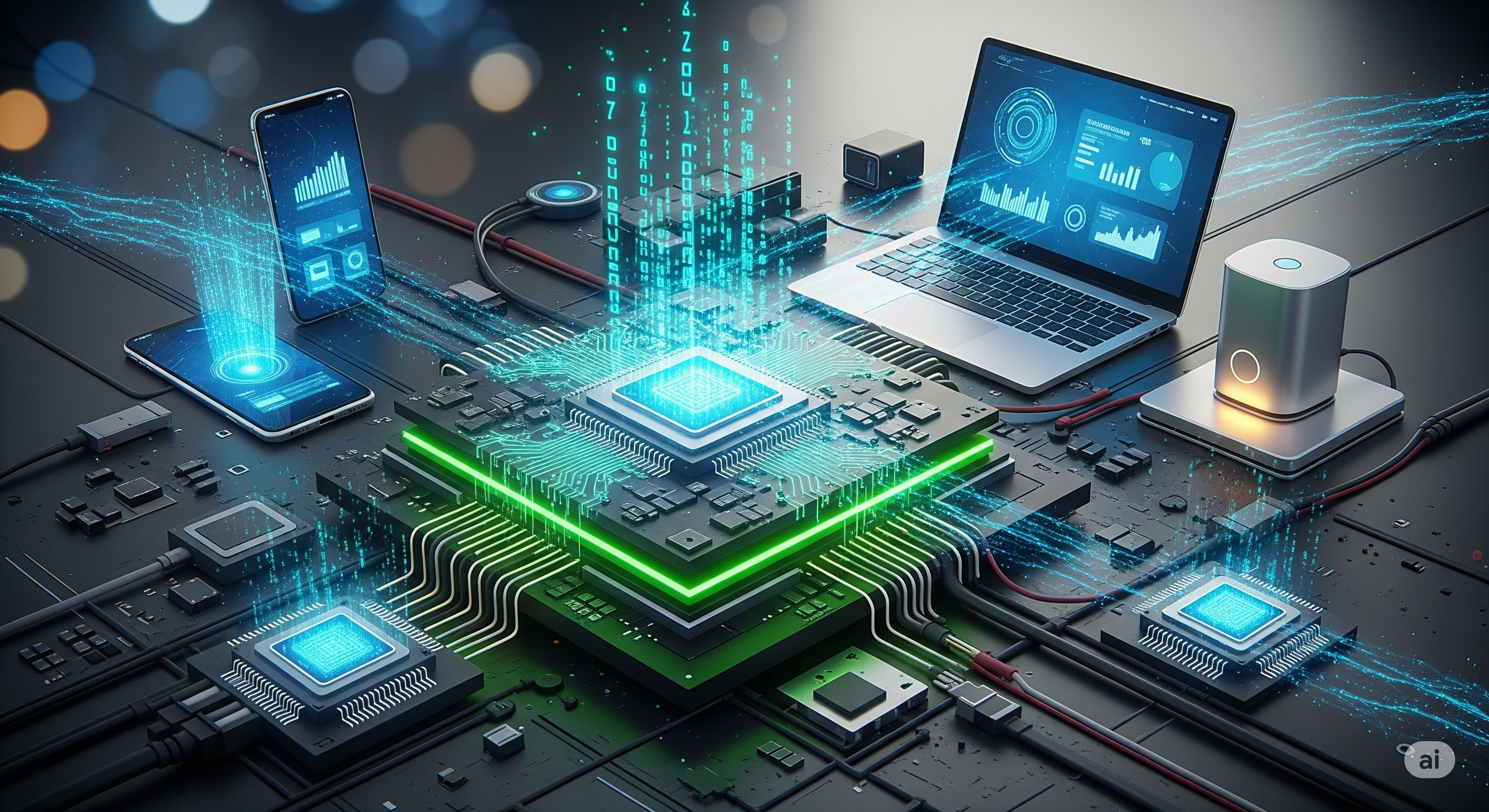
Imagine a city where traffic flows seamlessly, energy consumption is optimized in real-time, public services anticipate your needs, and green spaces thrive alongside cutting-edge technology. For years, this vision of a "smart city" felt like something pulled straight from a sci-fi movie. But the latest advancements in technology, coupled with a renewed global focus on sustainability and efficiency, are quickly turning these futuristic concepts into tangible realities. From sophisticated sensor networks to powerful artificial intelligence and groundbreaking digital twins, smart cities are no longer just an ambition – they are here, evolving at an unprecedented pace, and fundamentally reshaping urban living in 2024 and beyond.
The narrative around smart cities has shifted from utopian ideals to practical, implementable solutions addressing some of humanity's most pressing challenges: climate change, rapid urbanization, resource scarcity, and the quest for improved quality of life. Recent news highlights a surge in projects worldwide, showcasing cities leveraging digital transformation to become more resilient, sustainable, and citizen-centric. This isn't just about adding Wi-Fi hotspots; it's about a holistic re-imagination of urban infrastructure and governance.
H2: The Core Pillars: Technologies Driving Urban Innovation
At the heart of every successful smart city initiative lies a robust integration of advanced technologies. These pillars are constantly evolving, pushing the boundaries of what's possible in urban planning and management.
H3: IoT: The City's Nervous System
The Internet of Things (IoT) is perhaps the most fundamental component, acting as the sensory nervous system of a smart city. Billions of interconnected sensors embedded in everything from streetlights and waste bins to public transport and utility grids collect vast amounts of real-time data. This data is the lifeblood, providing insights into traffic patterns, air quality, energy consumption, water leakage, and even crowd density. Latest developments show a move towards more advanced, low-power IoT devices that can operate autonomously for years, significantly reducing maintenance costs and expanding deployment possibilities. Cities are now building comprehensive IoT platforms that allow various services to share data, creating a truly interconnected urban fabric.
H3: AI and Machine Learning: The Brain Behind the Beauty
Raw data alone isn't enough; it needs intelligence to be transformative. This is where Artificial Intelligence (AI) and Machine Learning (ML) come into play. AI algorithms analyze the colossal datasets gathered by IoT devices, identifying patterns, predicting future events, and automating responses. For instance, AI-powered traffic management systems can dynamically adjust signal timings to ease congestion, while predictive maintenance systems can flag potential infrastructure failures before they occur. The latest news emphasizes the development of localized AI models, allowing for faster processing and more tailored solutions, moving AI from a centralized 'brain' to a distributed intelligence throughout the urban environment. This also paves the way for hyper-personalized urban services, from public transport suggestions to environmental alerts.
H3: Sustainable Solutions: Green is the New Smart
A central theme in recent smart city developments is an unwavering commitment to sustainability. Urban areas are significant contributors to global emissions, and smart technologies offer powerful tools to mitigate this impact. From smart grids that optimize energy distribution and integrate renewable sources more effectively, to intelligent waste management systems that reduce landfill waste and increase recycling rates, green tech is becoming synonymous with smart cities. Projects are emerging that focus on circular economy principles, using data to track resource flows and minimize waste. Smart urban agriculture, vertical farms, and data-driven water conservation strategies are also gaining traction, ensuring cities can grow while treading lightly on the planet.
H3: Digital Twins: Simulating Success Before Building
One of the most exciting recent breakthroughs is the widespread adoption of "digital twin" technology for urban planning. A digital twin is a virtual replica of a physical city, or a specific part of it, populated with real-time data from its IoT sensors. Urban planners and policymakers can use these digital twins to simulate the impact of new developments, infrastructure projects, or policy changes before any physical construction begins. This allows for risk-free experimentation, optimizing designs for efficiency, sustainability, and citizen well-being. The rise of more sophisticated modeling and simulation capabilities is making digital twins indispensable for intelligent urban development.
H2: From Concept to Reality: Recent Breakthroughs and Projects
Across the globe, cities are pushing the envelope. From Singapore’s 'Smart Nation' initiative, which uses AI and data analytics to improve everything from healthcare to public transport, to ambitious new cities like NEOM in Saudi Arabia designing smart infrastructure from the ground up, the pace of innovation is staggering. European cities are focusing heavily on citizen participation and data governance, ensuring technology serves the public good while protecting privacy. North American cities are investing in intelligent infrastructure to combat aging systems and improve resilience against climate events.
Beyond megaprojects, incremental changes are also having a profound impact. Cities are deploying smart streetlights that adjust brightness based on ambient light and pedestrian presence, saving energy and improving safety. Parking sensors are guiding drivers to available spots, reducing cruising time and congestion. Even seemingly small interventions, like smart bins that signal when they need emptying, contribute to overall efficiency and a cleaner urban environment.
H2: The Promise and The Peril: Navigating the Future City
While the benefits are clear, the journey to a fully integrated smart city is not without its challenges. Data privacy and cybersecurity remain paramount concerns. The sheer volume of data collected by smart city infrastructure raises questions about who owns this data, how it's stored, and how it's protected from malicious actors. Ensuring ethical AI use and preventing algorithmic bias are also critical for maintaining public trust and promoting equity.
Furthermore, the digital divide poses a significant challenge. Smart city benefits must be accessible to all residents, regardless of socioeconomic status or technological literacy. Bridging this gap requires thoughtful planning, inclusive design, and investment in digital literacy programs. The substantial investment required for smart city infrastructure also necessitates robust public-private partnerships and innovative funding models.
H2: What's Next? The Road Ahead for Urban Innovation
The horizon for smart cities is brimming with potential. We can anticipate further integration of autonomous vehicles and urban air mobility, radically transforming transportation. The convergence of smart city data with metaverse technologies could create immersive digital experiences that enhance public engagement and tourism. Expect more localized, hyper-responsive services tailored to individual needs, driven by ever more powerful AI and edge computing.
The focus will also increasingly shift towards "smart communities" within larger cities, empowering neighborhoods to co-create solutions and foster a stronger sense of belonging. As technology becomes more pervasive, the emphasis will naturally move towards the human element – how these innovations genuinely improve quality of life, foster creativity, and build more resilient, inclusive societies.
H2: Your City, Smarter
The smart city revolution isn't a distant dream; it's a dynamic, ongoing process happening right now. These technologies are not just about making cities more efficient; they are about crafting environments that are healthier, safer, more sustainable, and ultimately, better places to live, work, and thrive. As urban centers continue to grow, the integration of smart technologies will be crucial for navigating the complexities of modern life.
What does a 'smart future' look like to you? What smart city innovation are you most excited about, or what challenge do you think smart technology needs to tackle first in your community? Share your thoughts and join the conversation! The future of our cities is being built today, and your voice is a vital part of its design.

Turn Your Images into PDF Instantly!
Convert photos, illustrations, or scanned documents into high-quality PDFs in seconds—fast, easy, and secure.
Convert Now