What Exactly *Is* the Internet of Things (Today)?
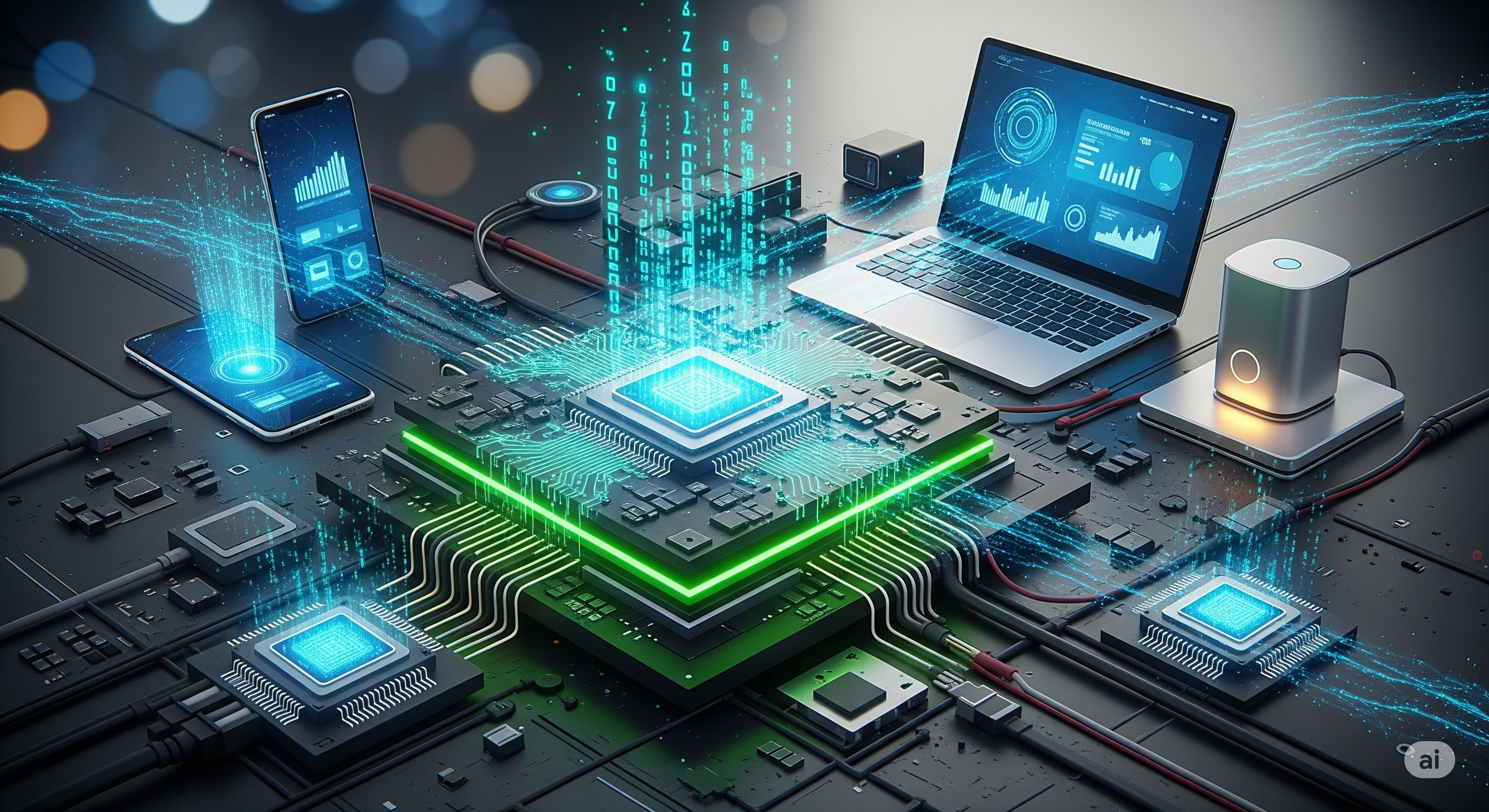
At its core, IoT refers to the vast network of physical objects embedded with sensors, software, and other technologies for the purpose of connecting and exchanging data with other devices and systems over the internet. But what was once largely a concept focused on individual smart devices has matured into complex, intelligent ecosystems. Today, IoT isn't just about devices talking to each other; it's about these devices collecting colossal amounts of data, processing it, learning from it, and making autonomous, intelligent decisions that impact everything from global supply chains to personalized healthcare.
The Latest Waves: IoT's Cutting-Edge Developments
The IoT landscape is experiencing an exhilarating surge of innovation, driven by breakthroughs in artificial intelligence, edge computing, and a heightened focus on sustainability and security.
The AIoT Synergy: Smarter Than Ever
One of the most transformative developments is the seamless integration of Artificial Intelligence with IoT, giving rise to AIoT. This powerful synergy moves beyond mere data collection to sophisticated analysis and predictive capabilities. AI algorithms interpret the vast streams of data from IoT sensors, enabling devices to not just respond to commands but to anticipate needs, learn patterns, and make intelligent decisions autonomously.
Consider smart cities where AIoT systems analyze traffic flows, public transport usage, and even air quality in real-time, dynamically adjusting infrastructure to optimize efficiency and well-being. In industrial settings, AIoT powers predictive maintenance, identifying potential machinery failures before they occur, drastically reducing downtime and saving millions. This intelligence allows systems to adapt, optimize, and even self-heal, propelling us towards truly autonomous environments.
Edge Computing: Bringing Intelligence Closer
As the number of connected devices explodes, sending all data to a centralized cloud for processing becomes inefficient and slow. This is where edge computing steps in. By processing data closer to its source – at the "edge" of the network – IoT devices can make quicker decisions, reduce latency, and enhance security.
Edge computing is crucial for applications demanding real-time responses, such as autonomous vehicles navigating complex environments or critical patient monitoring systems in healthcare. It also alleviates bandwidth constraints and strengthens data privacy by processing sensitive information locally, minimizing its journey across networks. This distributed intelligence is a cornerstone for the next generation of IoT applications.
Sustainability & Green IoT
IoT is emerging as a powerful ally in the global fight against climate change and for sustainable living. "Green IoT" refers to the application of connected technologies to monitor, manage, and optimize resource consumption and environmental impact.
Smart grids leverage IoT sensors to monitor energy demand and supply, optimizing distribution and integrating renewable sources more effectively. Precision agriculture uses IoT to monitor soil conditions, crop health, and weather patterns, allowing farmers to use water, fertilizers, and pesticides more efficiently, reducing waste and environmental impact. From smart waste management systems to monitoring deforestation and pollution, IoT is providing the granular data needed to build a more sustainable future.
Industry & Healthcare's Digital Leap
Beyond consumer-facing applications, the Industrial Internet of Things (IIoT) is revolutionizing manufacturing, logistics, and supply chains. With Industry 4.0, factories are becoming "smart," using sensors to monitor every stage of production, optimize workflows, and create digital twins – virtual replicas of physical assets – for simulation and predictive analysis. This leads to unprecedented efficiency, quality control, and agility.
In healthcare, IoT is transforming patient care. Remote patient monitoring devices track vital signs, glucose levels, and activity, allowing healthcare providers to intervene proactively and offer personalized care. Smart hospitals use IoT for asset tracking, inventory management, and even environmental control, improving operational efficiency and patient outcomes.
The Security & Privacy Tightrope
With great connectivity comes great responsibility. The proliferation of IoT devices brings significant security and privacy challenges. Protecting sensitive data from breaches and ensuring the integrity of interconnected systems is paramount. Recent advancements focus on stronger encryption protocols, robust authentication mechanisms, and the adoption of "zero-trust" architectures where no device or user is inherently trusted. Efforts are also underway to standardize security requirements and empower users with greater control over their data, ensuring that the benefits of IoT don't come at the cost of our digital safety.
The Impact on Your Daily Life (Even If You Don't See It)
While you might not be consciously aware of every IoT interaction, its influence on your daily life is immense. The efficiency of your city's public transport, the personalized recommendations you receive while shopping, the optimized energy consumption in your office building, and the seamless functioning of your smart home devices are all testament to IoT's silent work. It’s making our environments more responsive, our services more efficient, and our lives potentially more convenient, safer, and healthier. From monitoring the air quality you breathe to ensuring the safety of your food supply chain, IoT is creating a more intelligent and responsive world around you.
Navigating the Future: Opportunities and Challenges
The opportunities presented by the IoT tsunami are immense, promising economic growth, unprecedented efficiencies, and improved quality of life. However, challenges such as ensuring robust security, maintaining data privacy, establishing ethical guidelines for AIoT, and bridging the digital divide remain critical areas of focus for developers, policymakers, and users alike.
The Internet of Things is no longer a futuristic concept; it is an active, evolving force defining our present and shaping our future. From the mundane to the monumental, connected devices are weaving an intricate web of intelligence that touches every facet of our existence. Understanding this invisible revolution is key to harnessing its power responsibly and ethically.
What are your thoughts on the IoT's impact on your daily life? Are you excited about the future of connected devices, or do you have concerns about privacy and security? Share your insights and join the conversation below! Don't forget to share this article with your network to spark further discussion about the incredible world of IoT.
