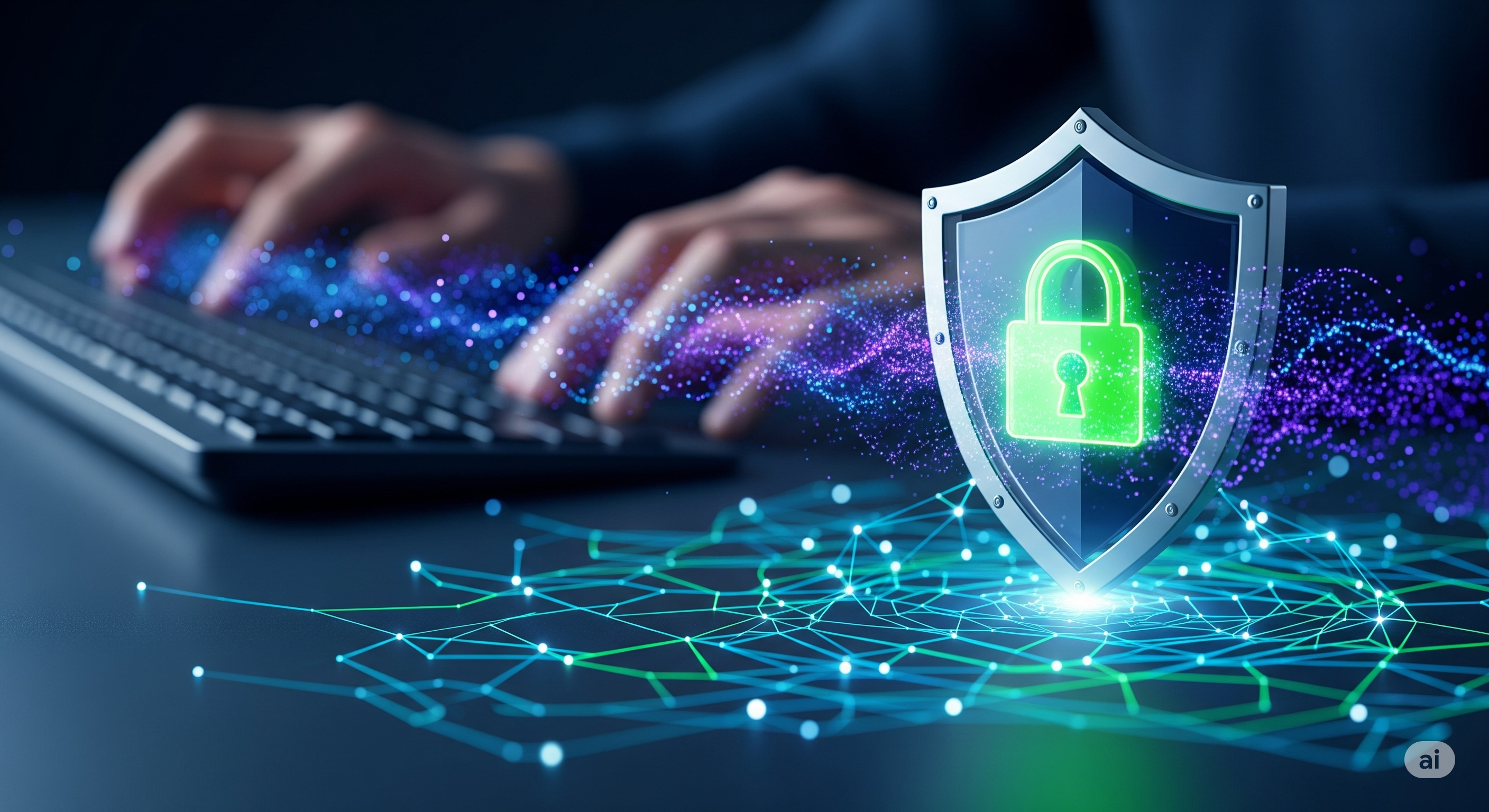
The Expanding Frontier of Digital Forensics
Traditional digital forensics, focused on hard drives and smartphones, is now expanding into the multi-faceted world of virtual and augmented reality. Think about it: crimes committed within VR games, fraudulent transactions on decentralized platforms, the manipulation of digital identities – these all require new investigative techniques and specialized expertise. The challenge isn't simply a technological one; it's also about understanding the unique legal and ethical considerations that arise within these virtual spaces. Jurisdiction, for example, becomes significantly more blurred in a metaverse that transcends geographical boundaries.
New Tools for a New Era
To combat these challenges, digital forensic investigators are adopting new tools and methodologies. This includes:
* Specialized software: Software capable of extracting data from VR headsets, analyzing blockchain transactions within metaverse environments, and reconstructing events within virtual worlds is rapidly being developed. These tools are crucial for recovering evidence that might otherwise be lost or inaccessible.
* 3D reconstruction: Accurately reconstructing crime scenes within the metaverse requires advanced 3D modeling and visualization techniques. Investigators are increasingly relying on these methods to create immersive representations of virtual environments, allowing them to piece together the sequence of events and identify perpetrators.
* Blockchain analysis: Many metaverse transactions occur on blockchain networks. Understanding blockchain technology and utilizing specialized forensic tools for blockchain analysis is becoming essential for investigating fraud, money laundering, and other financial crimes within these virtual ecosystems.
* AI-powered investigation: Artificial intelligence is playing an increasingly important role in digital forensics, assisting investigators in sifting through vast amounts of data, identifying patterns and anomalies, and potentially even predicting future criminal activity.
The Challenges Ahead
Despite these advances, significant challenges remain. The decentralized and often anonymous nature of many metaverse platforms makes tracing criminals incredibly difficult. Furthermore, the rapid pace of technological advancement means that new tools and techniques are constantly needed to keep up with emerging threats. The lack of clear legal frameworks and international cooperation further complicates matters. Questions of jurisdiction, data sovereignty, and cross-border cooperation need to be addressed to ensure effective law enforcement in the metaverse.
The Ethical Considerations
The collection and use of data within the metaverse also raise crucial ethical questions. Privacy concerns are paramount, and careful consideration must be given to the balance between ensuring public safety and protecting individual rights. The potential for bias in AI-powered forensic tools also needs to be carefully addressed to prevent miscarriages of justice.
The Future of Digital Forensics in the Metaverse
The future of digital forensics is intertwined with the continued evolution of the metaverse. As virtual worlds become more sophisticated and immersive, the need for specialized skills and technologies will only increase. Collaboration between law enforcement agencies, technology companies, and academic researchers is critical to developing robust and ethical approaches to tackling crime in these spaces. This collaboration should focus on:
* Developing standardized procedures and best practices: Consistent methodologies are needed across different jurisdictions to ensure effective evidence collection and analysis.
* Investing in research and development: Further investment is required to develop new tools and techniques capable of handling the unique challenges presented by the metaverse.
* Promoting education and training: A skilled workforce is essential, and training programs must be developed to equip digital forensic investigators with the expertise they need.
The metaverse holds immense potential, but it also presents new vulnerabilities. By proactively developing and implementing sophisticated digital forensics techniques, we can mitigate these risks and ensure that this vibrant digital world remains a safe and secure space for everyone.
Join the Conversation
What are your thoughts on the future of digital forensics in the metaverse? What challenges do you see on the horizon? Share your perspectives in the comments below – let's discuss how we can collectively navigate this exciting and complex landscape!
