The Signature of Tomorrow: How Digital Signatures Are Reshaping Global Business
Published on January 14, 2026
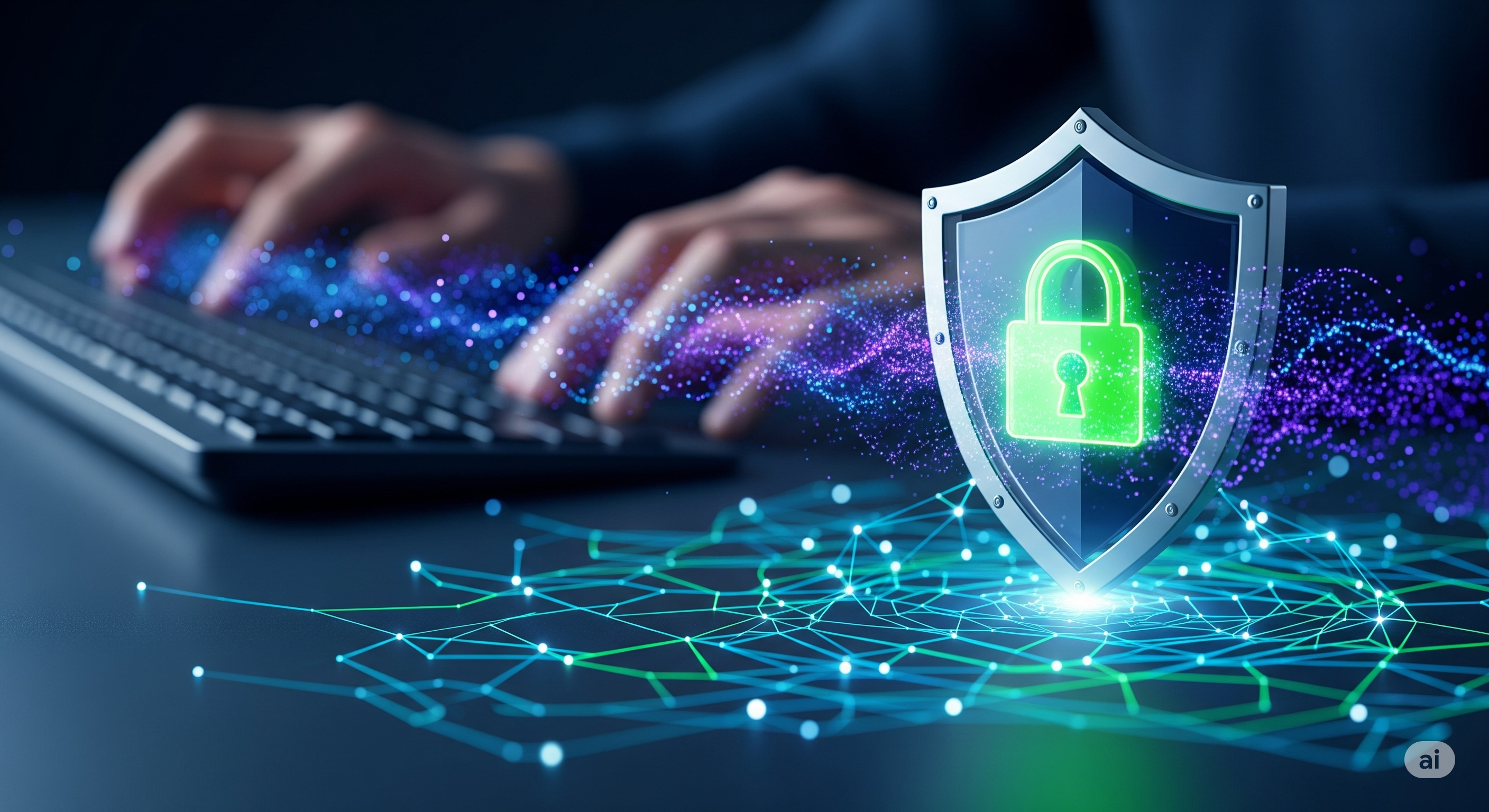
More Than Just a Click: Understanding the Power of Digital Signatures
While often used interchangeably, it's crucial to distinguish between a simple electronic signature (e-signature) and its more robust cousin, the digital signature. An e-signature can be anything from a typed name to a scanned image of a signature. It indicates intent to agree. A digital signature, however, is a technologically advanced, cryptographically secured form of e-signature. It's built on Public Key Infrastructure (PKI) and uses encryption to bind a signer's identity to a document, ensuring unparalleled levels of security and integrity. This isn't just about convenience; it’s about establishing trust in the digital realm.
Here's why this distinction matters and why digital signatures are quickly becoming the global standard:
* Unparalleled Security and Integrity: Digital signatures use cryptographic techniques to create a unique digital fingerprint for both the signer and the document. Any alteration to the document *after* it's signed invalidates the signature, immediately revealing tampering. This ensures data integrity and prevents forgery, offering a level of security far beyond what a wet-ink signature can provide. It provides non-repudiation, meaning the signer cannot later deny having signed the document.
* Global Legal Recognition and Compliance: A critical development driving widespread adoption is the robust legal framework now supporting digital signatures across the globe. Laws like the ESIGN Act in the United States, eIDAS regulation in the European Union, and similar legislations worldwide provide digital signatures with the same legal validity as traditional handwritten signatures, often with enhanced evidentiary value due to their inherent security features. This legal backing removes barriers to cross-border transactions and enables fully digital workflows in virtually any industry.
* Transformative Efficiency and Cost Savings: Imagine closing deals, onboarding employees, or approving critical documents in minutes, not days. Digital signatures eliminate printing, scanning, faxing, and mailing, drastically cutting down on processing times and associated costs. Beyond monetary savings, the environmental impact of going paperless is significant, aligning businesses with sustainable practices.
* Seamless Integration into Modern Workflows: Leading digital signature solutions are designed to integrate effortlessly with existing business applications, from CRM and ERP systems to document management platforms. This allows for automation of signing processes, reducing manual effort and human error, and creating streamlined, end-to-end digital experiences.
The Tipping Point: Why Now is the Time for Digital Signature Adoption
If digital signatures have been around, why the sudden surge in their "news" relevance? Several confluence of factors have pushed them from a niche technology to a critical business imperative:
* The Remote and Hybrid Work Imperative: The global shift to remote and hybrid work models, accelerated by recent global events, made physical document handling nearly impossible for many organizations. Digital signatures became the lifeline for maintaining business continuity, enabling secure remote collaboration and decision-making.
* Escalating Cybersecurity Threats: In an era of increasing data breaches and sophisticated cyberattacks, businesses are more aware than ever of the need for robust security measures. Digital signatures offer a powerful defense mechanism against document fraud, identity theft, and unauthorized access, protecting sensitive information and maintaining trust.
* Regulatory Push for Digital Transformation: Governments and industry bodies are actively encouraging and, in some cases, mandating digital processes. From healthcare records to financial contracts, the drive towards secure digital identity and verifiable transactions is intensifying, making digital signature compliance a competitive differentiator.
* The Need for Business Agility: In a rapidly changing market, speed to market and operational agility are paramount. Businesses that can sign contracts, approve projects, and process agreements faster gain a significant competitive edge, enabling quicker responses to market demands and customer needs.
Beyond Documents: The Future Landscape of Digital Signatures
The evolution of digital signatures is far from over. The "news" surrounding their future applications is even more exciting:
* AI Integration for Smarter Verification: Artificial intelligence could further enhance the security and user experience of digital signatures by analyzing signing patterns, detecting anomalies, and even helping automate the verification of signer identities based on a broader range of digital footprints.
* Blockchain and DLT for Ultimate Trust: Integrating digital signatures with blockchain and other Distributed Ledger Technologies (DLT) could create an immutable, decentralized audit trail for every signed document. This could revolutionize trust in supply chains, intellectual property, and international agreements, making tampering virtually impossible.
* IoT Security: As the Internet of Things (IoT) expands, digital signatures could secure data flowing between devices, ensuring the authenticity and integrity of information exchanged in smart factories, smart cities, and autonomous vehicles.
* Quantum-Resistant Signatures: With the rise of quantum computing, cryptographers are already developing "quantum-resistant" digital signature algorithms to future-proof against potential breaches by these powerful machines, ensuring long-term security.
Choosing Your Digital Signature Solution: What to Look For
As digital signatures become ubiquitous, selecting the right solution is critical. Look for providers that offer:
* Compliance with global and industry-specific regulations.
* High levels of security, including multi-factor authentication and tamper-evident technology.
* Ease of use and intuitive user experience for both signers and administrators.
* Robust integration capabilities with your existing software ecosystem.
* Scalability to grow with your business needs.
* Strong customer support and a reliable vendor reputation.
Signing Off with Confidence: Your Business's Digital Future
The news is clear: digital signatures are no longer a tech-savvy niche, but a foundational element of modern commerce. They represent more than just a way to sign documents; they are a gateway to enhanced security, unparalleled efficiency, and a future where trust is natively built into every digital interaction. Embracing this shift isn't just about staying current; it's about future-proofing your business, empowering your workforce, and establishing a new standard of confidence in a hyper-connected world.
Has your business made the leap to digital signatures? What benefits or challenges have you encountered? Share your thoughts in the comments below, and help us continue the conversation around the exciting future of digital trust!

Turn Your Images into PDF Instantly!
Convert photos, illustrations, or scanned documents into high-quality PDFs in seconds—fast, easy, and secure.
Convert Now