Your Home Just Got a Brain: How Matter, AI, and Sustainability Are Redefining Smart Living
Published on March 8, 2026
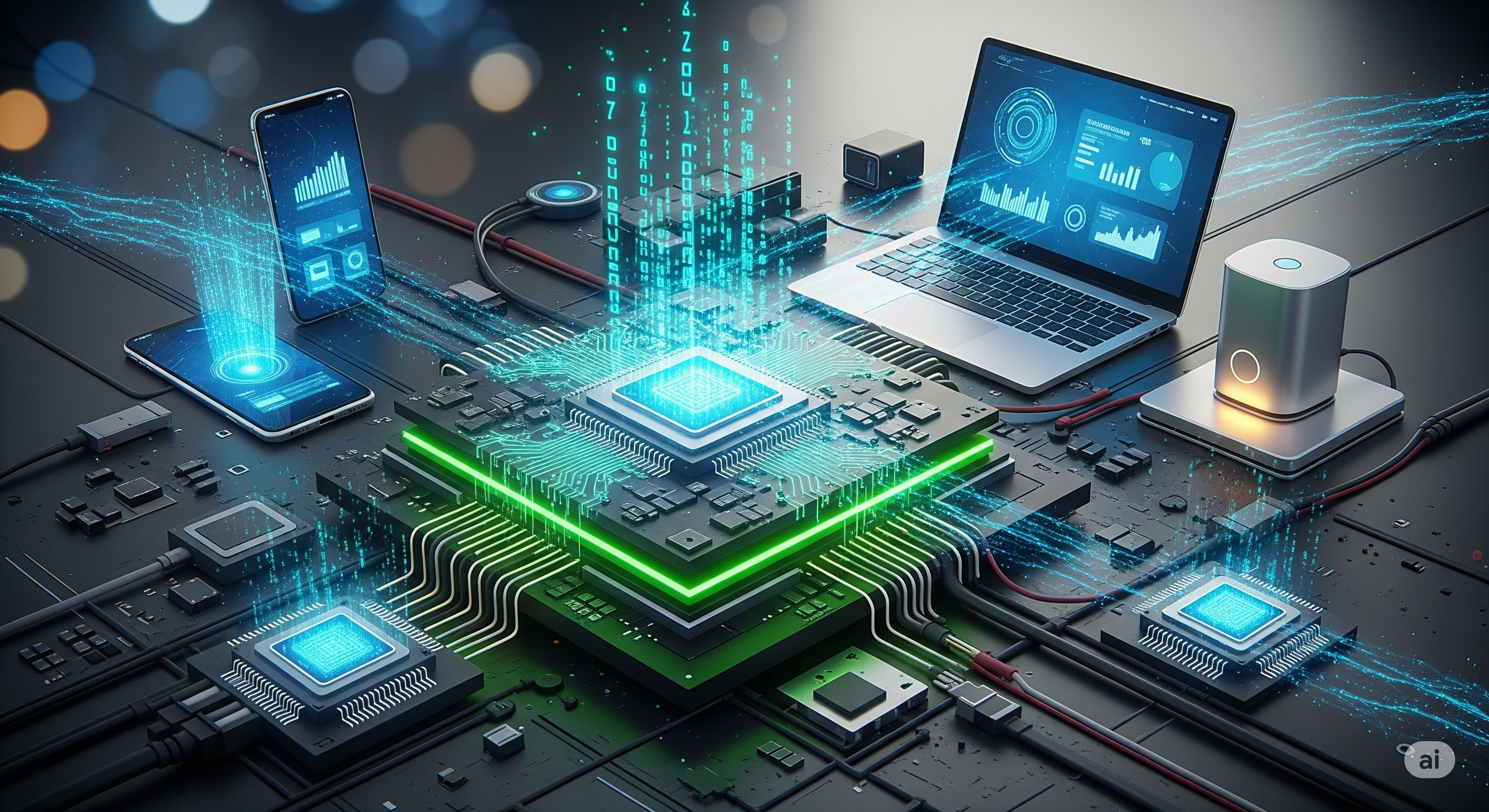
Remember the early days of smart homes? Remote-controlled lights and thermostats felt revolutionary, but often came with the frustration of incompatible devices, complex setups, and a multitude of apps. For years, the promise of a truly seamless, intelligent home felt just out of reach, fragmented by proprietary ecosystems and limited functionality. But hold onto your smart speakers, because the smart home landscape is undergoing its most significant transformation yet. Driven by groundbreaking interoperability standards, the pervasive power of artificial intelligence, and a growing global emphasis on sustainability, your home isn't just getting smarter – it’s getting a brain, a conscience, and a unified language.
The latest developments aren't merely incremental upgrades; they represent a fundamental shift towards a truly intuitive, responsive, and eco-conscious living experience. From devices that finally speak the same language to homes that anticipate your needs and actively reduce your carbon footprint, the smart home of tomorrow is not only here, but it's more impactful than ever before. Let's dive into the core innovations making this future a reality right now.
H2: The Interoperability Dream Becomes Reality: Enter Matter
For too long, the biggest hurdle for smart home enthusiasts and newcomers alike has been the dreaded "walled garden" problem. You bought a smart bulb from one brand, a thermostat from another, and a sensor from a third, only to find they couldn't communicate without a complex web of bridges, hubs, and disparate apps. This fragmentation led to frustration, limiting choice and hindering widespread adoption.
Enter Matter, the universal, open-source connectivity standard that's rapidly gaining traction and transforming the smart home experience. Backed by industry giants like Apple, Google, Amazon, Samsung, and hundreds of other companies, Matter is designed to be the common language that all your smart devices can speak, regardless of brand or ecosystem. It promises simpler setup, enhanced reliability, and, most importantly, true interoperability. Imagine buying any Matter-certified device and knowing it will seamlessly integrate with your existing smart home setup – no more compatibility headaches.
The latest news shows a rapid acceleration in Matter adoption. New devices, from smart plugs to security cameras and even large appliances, are continuously being certified and hitting the market. Existing devices are receiving software updates to become Matter-compatible, breathing new life into older hardware. This isn't just a technical upgrade; it's a consumer empowerment movement, offering unparalleled flexibility and choice, finally delivering on the promise of a truly connected home.
H2: Beyond Automation: The Rise of True Smart Home Intelligence with AI
While Matter handles communication, Artificial Intelligence (AI) is providing the smart home's "brain." We're moving far beyond simple "if this, then that" automation rules. Today's AI-powered smart homes are capable of learning, adapting, and even anticipating your needs, transforming from reactive systems into proactive digital assistants.
Think about it:
* Predictive Comfort: Your thermostat doesn't just adjust based on a schedule; it learns your daily routines, monitors external weather patterns, and even anticipates when you'll arrive home to pre-condition the environment to your preferred temperature, all while optimizing for energy use.
* Personalized Ambiance: Lighting systems evolve beyond simple on/off. AI can learn your preferences for different times of day or activities, automatically adjusting brightness and color temperature to enhance mood, productivity, or relaxation, even mimicking natural light cycles to support circadian rhythms.
* Proactive Security: Instead of just alerting you when a sensor is triggered, AI-enhanced security cameras can differentiate between pets, delivery drivers, and potential intruders, reducing false alarms and providing more accurate, actionable intelligence. Some systems can even learn typical patterns of behavior and flag anomalies.
* Maintenance & Health Insights: Smart appliances can use AI to monitor their own performance, alerting you to potential issues before they become major problems. Future integrations will see AI monitoring indoor air quality, sleep patterns, and even subtle changes in behavior to offer personalized wellness recommendations or flag health concerns.
H3: Personalized Experiences: Your Home, Your Rules (But Smarter)
The true magic of AI lies in its ability to personalize. Your smart home isn't just "smart" in a generic sense; it's smart *for you*. It remembers your coffee preferences, knows when you typically unwind with music, and can even adjust the lighting to help you focus during work hours. Voice assistants are becoming more contextual, understanding complex commands and follow-up questions, making interactions feel more natural and less like talking to a robot. This level of personalized intelligence is what elevates the smart home from a collection of gadgets to a truly integral part of your lifestyle.
H2: Green Living, Smarter Home: The Sustainability Revolution
In an era of increasing environmental consciousness, the smart home is emerging as a powerful ally in the fight for sustainability. Beyond just comfort and convenience, smart home technology is now playing a crucial role in reducing energy consumption, optimizing resource use, and lowering our collective carbon footprint.
* Energy Efficiency at Its Core: Smart thermostats are just the beginning. Intelligent lighting systems dim or turn off lights in empty rooms, smart plugs cut phantom power drain from idle electronics, and smart water sensors can detect leaks early, preventing waste.
* Integration with Renewables: Many modern smart home ecosystems are designed to integrate seamlessly with solar panels and home battery storage systems. AI can optimize energy usage, prioritizing consumption from renewable sources when available and even interacting with the grid to sell excess energy or reduce demand during peak hours.
* Data-Driven Savings: The ability to monitor energy consumption in real-time provides invaluable insights. Users can identify energy hogs, understand their usage patterns, and make informed decisions to reduce waste, leading to significant savings on utility bills while also benefiting the planet.
H3: Saving Money While Saving the Planet
The beauty of the sustainable smart home is its dual benefit: it's good for the Earth, and it's good for your wallet. Initial investments in smart home technology are increasingly offset by long-term savings on energy and resources. This makes "going green" not just an ethical choice, but also a financially savvy one, driving wider adoption and accelerating our transition to more sustainable living.
H2: Addressing the Elephant in the Room: Security, Privacy, and Control
With great connectivity comes great responsibility. As homes become more interconnected, concerns about security and privacy are paramount. The latest advancements are directly addressing these crucial points. Matter, for example, emphasizes local control where possible, meaning devices can communicate directly with each other within your home network without always relying on cloud servers, reducing potential vulnerabilities.
However, vigilance remains key. Choosing reputable brands with strong encryption, regularly updating device firmware, and employing robust password practices are essential. The industry is also moving towards greater transparency and user control over data, giving homeowners more power to decide what information is collected and how it's used. A truly intelligent home prioritizes not just convenience, but also the safety and privacy of its inhabitants.
H2: The Road Ahead: What's Next for Your Smart Sanctuary?
The smart home journey is far from over. We're on the cusp of an era where ambient computing makes technology truly fade into the background, where homes become predictive hubs for health and wellness, and where every aspect of our living spaces works in perfect harmony. Imagine homes that adapt not just to your preferences, but to your moods, anticipate potential health issues, or even seamlessly integrate with smart cities. The future promises an even more intuitive, integrated, and impactful living experience.
H2: Join the Smart Home Revolution
The smart home is no longer a futuristic fantasy or a complex playground for tech enthusiasts. With Matter breaking down barriers, AI delivering unparalleled intelligence, and a strong focus on sustainability, it’s becoming an accessible, essential, and truly transformative part of modern living. Your home is evolving, gaining a sophisticated brain that understands your needs, speaks a universal language, and cares for the planet.
What are your thoughts on these exciting smart home advancements? Are you ready to embrace a truly intelligent, sustainable sanctuary? Share your experiences, your aspirations, or your biggest smart home questions in the comments below! Let's build the future of smart living, together. Don't forget to share this article with anyone looking to make their home smarter and greener!

Turn Your Images into PDF Instantly!
Convert photos, illustrations, or scanned documents into high-quality PDFs in seconds—fast, easy, and secure.
Convert Now