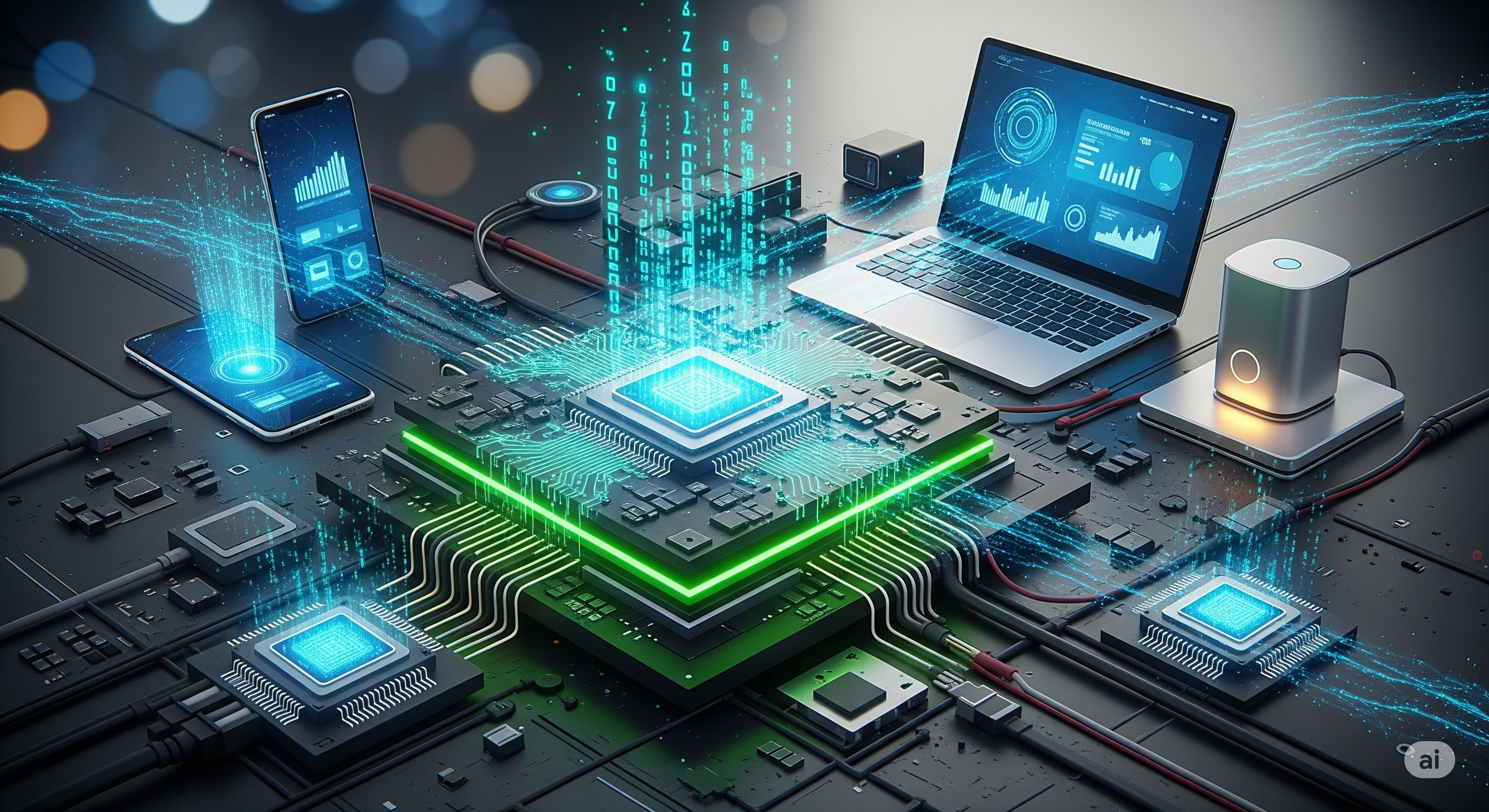
The landscape of home automation is undergoing a seismic shift, fueled by groundbreaking developments in interoperability, artificial intelligence, and a renewed focus on user experience. From simplifying device setup to anticipating your needs and safeguarding your data, the latest advancements are poised to transform our homes into truly intelligent, responsive ecosystems. Get ready, because your smart home is about to get a whole lot smarter, simpler, and more secure than you ever imagined.
The Dawn of Seamless Connectivity: Why Matter Truly Matters
For too long, the smart home market has been a Wild West of proprietary ecosystems. Apple HomeKit, Google Home, Amazon Alexa, Samsung SmartThings – each a walled garden, creating headaches for consumers trying to build a cohesive smart environment. Enter Matter, the universal smart home standard that has finally emerged from the collaboration of tech giants determined to solve this very problem.
Matter is not just another protocol; it’s a game-changer. Backed by industry heavyweights like Apple, Google, Amazon, Samsung, and over 200 other companies, Matter aims to create a unified language for smart home devices. This means that a Matter-certified light bulb will work effortlessly with any Matter-certified controller, regardless of brand. Imagine the freedom: no more checking compatibility lists, no more "does this work with that?" frustrations.
What does this mean for you, the homeowner?
* Unprecedented Interoperability: Your new smart lock can communicate with your existing thermostat and lighting system, even if they're from different manufacturers.
* Simplified Setup: Adding new devices becomes as easy as scanning a QR code, streamlining the onboarding process significantly.
* Enhanced Reliability: Built on robust, proven technologies like Wi-Fi, Thread, and Ethernet, Matter promises more stable and responsive connections.
* Future-Proofing: Investing in Matter-certified devices ensures they'll continue to work with future smart home hubs and software updates, protecting your investment.
* Increased Choice: With less concern about compatibility, consumers have a broader range of products to choose from, fostering innovation and competitive pricing.
This unified approach isn't just about convenience; it’s about unlocking the full potential of home automation, allowing devices to truly cooperate and create intelligent routines that adapt to your lifestyle, rather than you adapting to their limitations.
Beyond Connectivity: AI That Truly Understands Your Home
While Matter tackles the "how" of device communication, advancements in Artificial Intelligence are revolutionizing the "what" and "why." The latest iterations of AI are moving beyond simple voice commands to predictive intelligence, making our homes not just connected, but genuinely intuitive.
Gone are the days when your smart speaker only responded to explicit commands. Today's smart home AI is learning. It observes your patterns: when you leave for work, when you typically adjust the thermostat, your preferred lighting for movie night. With this data, your home can begin to anticipate your needs:
* Personalized Routines: Your home can pre-heat before you arrive, dim the lights as bedtime approaches, or adjust music based on your mood.
* Energy Optimization: AI algorithms can analyze energy consumption patterns, weather forecasts, and occupancy data to intelligently manage heating, cooling, and lighting, significantly reducing your utility bills and carbon footprint.
* Proactive Security: Instead of just reacting to alarms, AI-powered cameras can identify unusual activity, distinguish between pets and intruders, and even learn familiar faces, reducing false alarms and providing more accurate alerts.
* Wellness Integration: Smart sensors are tracking air quality, sleep patterns, and even elderly fall detection, using AI to provide insights and proactively offer support for a healthier, safer living environment.
This new generation of AI isn't just about automating tasks; it's about creating a living space that truly understands and responds to the unique rhythm of your life, making your home a more comfortable, efficient, and secure sanctuary.
Smarter, Safer, Greener: Addressing Key Concerns
As our homes become more interconnected and intelligent, two critical concerns naturally arise: security and sustainability. The latest smart home innovations are directly addressing both.
Bolstering Security and Privacy
The idea of our homes collecting data can be unsettling. However, the industry is increasingly prioritizing user control and robust security protocols. Matter, for instance, is built with security at its core, utilizing strong encryption and authentication measures. Furthermore, advancements in local processing (edge computing) mean more data can be processed on your devices rather than sent to the cloud, significantly enhancing privacy. Companies are also becoming more transparent about data usage policies, giving users greater control over their information. The goal is to make smart homes not just convenient, but also fortresses of privacy and digital safety.
The Eco-Conscious Smart Home
Beyond saving you money, the smart home is rapidly becoming a cornerstone of sustainable living. With AI-powered energy management, smart thermostats, lighting, and appliances can drastically cut down on energy waste. Smart plugs can automatically switch off 'phantom load' devices. Water leak detectors can prevent costly waste, and intelligent irrigation systems can optimize water usage for your garden based on real-time weather data. The smart home is evolving into a powerful tool for reducing our environmental impact, making it easier than ever to live a greener lifestyle without sacrificing comfort.
Is the Future Already Here? What to Expect Next
The recent breakthroughs with Matter and advanced AI are not just incremental updates; they represent a fundamental shift in the smart home paradigm. We're moving from a collection of gadgets to a truly integrated, intelligent ecosystem.
What's next on the horizon? Expect greater accessibility as costs come down and setup becomes even more intuitive. We'll see deeper integration with health and wellness technologies, turning our homes into proactive partners in our well-being. And as smart homes become the norm, their principles will extend to smart communities and cities, creating interconnected environments that benefit everyone.
The smart home of the future isn't just about convenience; it's about empowerment. It's about a home that understands you, protects you, saves you money, and contributes to a healthier planet. The era of the truly smart, seamlessly connected home is no longer a futuristic dream – it's here, and it’s just getting started.
What are your thoughts on these smart home advancements? Are you excited about the promise of Matter, or do you have lingering questions about AI and privacy? Share your experiences and predictions for the future of smart homes in the comments below! Let's shape the conversation around the technology that's redefining how we live.
